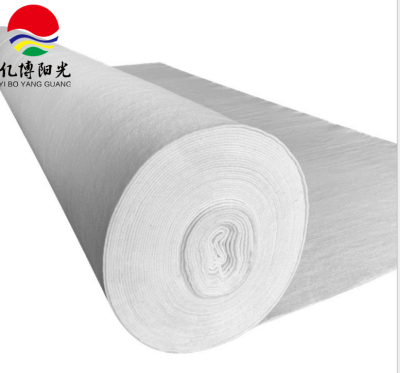
A geomembrane: what is it? A Complete Guide to Its Uses and Worldwide Applications
The word "geomembrane" has evolved to mean containment and safety in the domains of environmental protection and civil engineering. What really is it, though, and why has it grown to be a multibillion dollar industry? In its most basic form, it is a synthetic membrane liner or barrier with incredibly low permeability that is employed with any material linked to geotechnical engineering to regulate fluid (or gas) migration in a project created by humans.
1. Determining the Geomembrane: Material Science and Composition
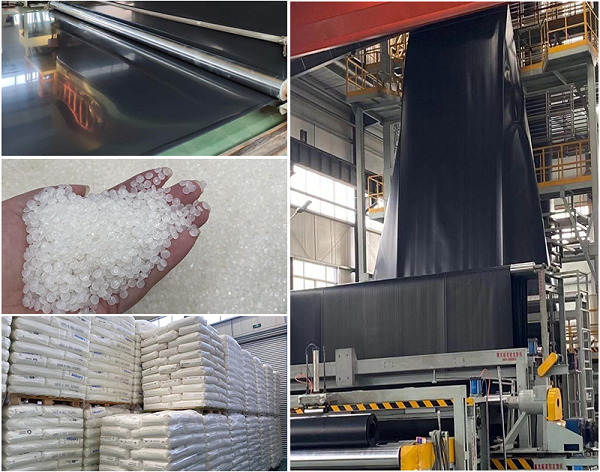
A geomembrane is a highly constructed product that can withstand mechanical stress, UV radiation, and hostile chemical conditions. It is more than just a plastic sheet. These liners can be created by impregnating geotextiles with asphalt, elastomer, or polymer sprays, although they are usually composed of thin continuous polymeric sheets.
The polyethylene geomembrane is currently the most used variety in the business. The polyethylene geomembrane, which comes in High-Density (HDPE) and Linear Low-Density (LLDPE) varieties, provides a remarkable blend of durability and chemical resistance. For mining and landfill operations where the geomembrane must last for decades, HDPE is the norm because to its exceptional durability and resistance to corrosive substances.
2. Why it Matters: The Critical Role of a Waterproof Geomembrane
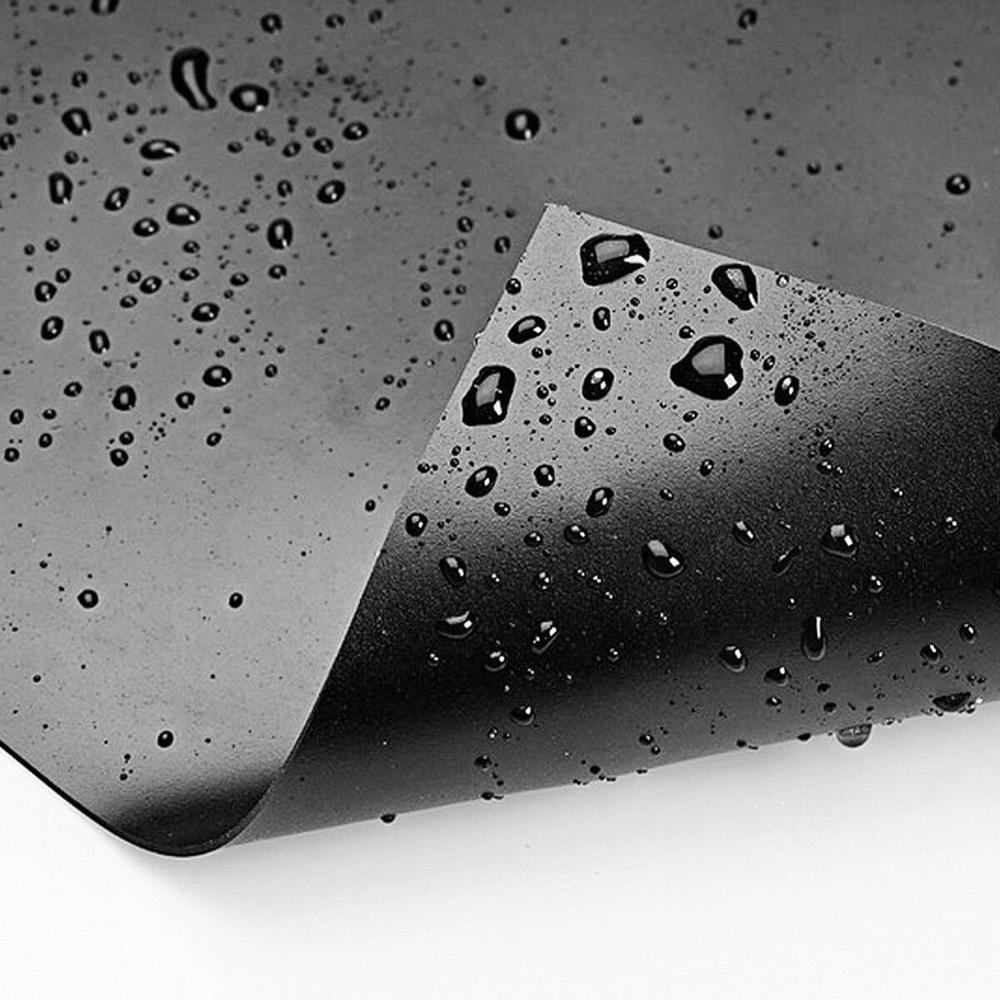
The primary function of any containment system is to prevent leaks. This is where the concept of a waterproof geomembrane becomes vital. Unlike traditional clay liners which can crack or allow slow seepage over time, a high-quality waterproof geomembrane provides an absolute hydraulic barrier.
The following technological advantages come from using a watertight geomembrane:
Low Permeability: It effectively prevents the passage of harmful gasses, water, and leachate.
UV Resistance: Top-of-the-line models are designed to be non-degenerative even under exposure to sunlight for more than 20 years.
Thermal Stability: The geocomposite can withstand extreme temperatures from the hot desert mining regions to the cold arctic.
Flexibility: By adapting to the irregular geometries of a subgrade, it keeps the geomembrane from rupturing under the weight of restricted liquids.
3. Geomembrane Technology's Top 4 Useful Applications
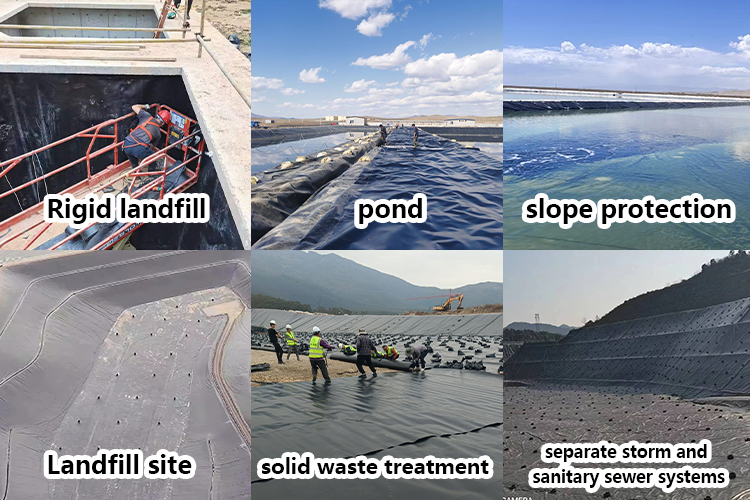
The geomembrane can be utilized in almost every area of contemporary building due to its adaptability. The four most typical locations where these liners offer crucial benefit are as follows:
A. Landfills and Waste Management
The geomembrane serves as the primary liner in hazardous and municipal waste landfills to protect groundwater. It keeps contaminated soil at bay, and leachate — the toxic liquid that seeps from garbage — out of the groundwater with a geomembrane.
B. Agriculture and Water Conservation
Every drop of water matters in arid areas. Large reservoirs, farm ponds, and irrigation canals are all lined with a waterproof geomembrane. The geomembrane guarantees that water reaches the crops effectively by preventing seepage loss, which lowers the cost of water management for farmers.
C. Resource Recovery and Mining
Polyethylene geomembrane is a major component of heap leaching pads used in the mining sector. In this method, valuable metals are extracted from ore using chemical solutions. The geomembrane needs to be strong enough to support the ore's weight and resistant to the acids used in the extraction process.
D. Fish farming and aquaculture
In contemporary fish farms, ponds are lined with geomembranes. This considerably enhances the harvesting process, maintains the environment clean, and stops illnesses from spreading through the soil. Fish and other aquatic animals can safely use the non-toxic polyethylene geomembrane.
4. Selecting and Configuring the Right Geomembrane for Your Project
The installation of a geomembrane is a major factor in its performance; choosing the appropriate material is just half the battle. These liners must be "seamed" or welded together on-site since they are shipped in rolls.
When creating a geomembrane system, engineers need to take the following into account:
Chemical Compatibility: Will the liquids inside the geomembrane react with it?
Thickness: Depending on the anticipated mechanical stress, standard thicknesses vary from 0.5 mm to 3.0 mm.
Interface Friction: Is a textured surface necessary for the geomembrane to stop soil from slipping off a slope?
Welding Quality: Each seam must be inspected using vacuum or air pressure tests to ensure that the geomembrane is totally leak-proof.
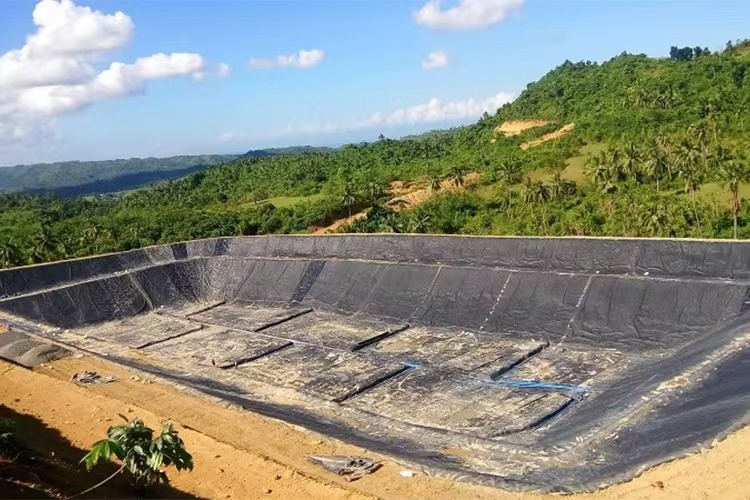
Conclusion: Containment Engineering's Future
A silent hero of contemporary infrastructure, the geomembrane safeguards our groundwater and guarantees the prosperity of industrial mining. The creation of specialized polyethylene geomembrane systems will remain essential to environmental stewardship as we transition to a more sustainable future.
Investing in a high-performance waterproof geomembrane is the greatest approach to guarantee long-term dependability, whether you're developing a 100-acre landfill or a little koi pond. We may anticipate that the geomembrane will become even more reliable, simpler to install, and crucial to international engineering as technology develops.