How geosynthetivcs enable vertical expansion of landfills
As populations in urban areas increase and available land decreases, one of the biggest challenges is how to grow landfill capacity from within your existing footprint. The answer is called "Vertical Expansion", which is also known as "piggybacking".This process involves building new waste cells directly on top of closed or existing ones.
The entire success of this engineering marvel turns solely on the adoption of these high-performance geosynthetic materials. Namely, the environmental protection and stability of those multi-tiered systems come from the installation of a high-performance impermeable geomembrane liner.
1. The Engineering Logic of Vertical Expansion
Vertical expansion is not as simple as stacking trash. It requires a sophisticated "separation" layer between the old waste mass and the new waste. The old waste is often unstable and prone to settlement, which creates immense mechanical stress on the new containment system.
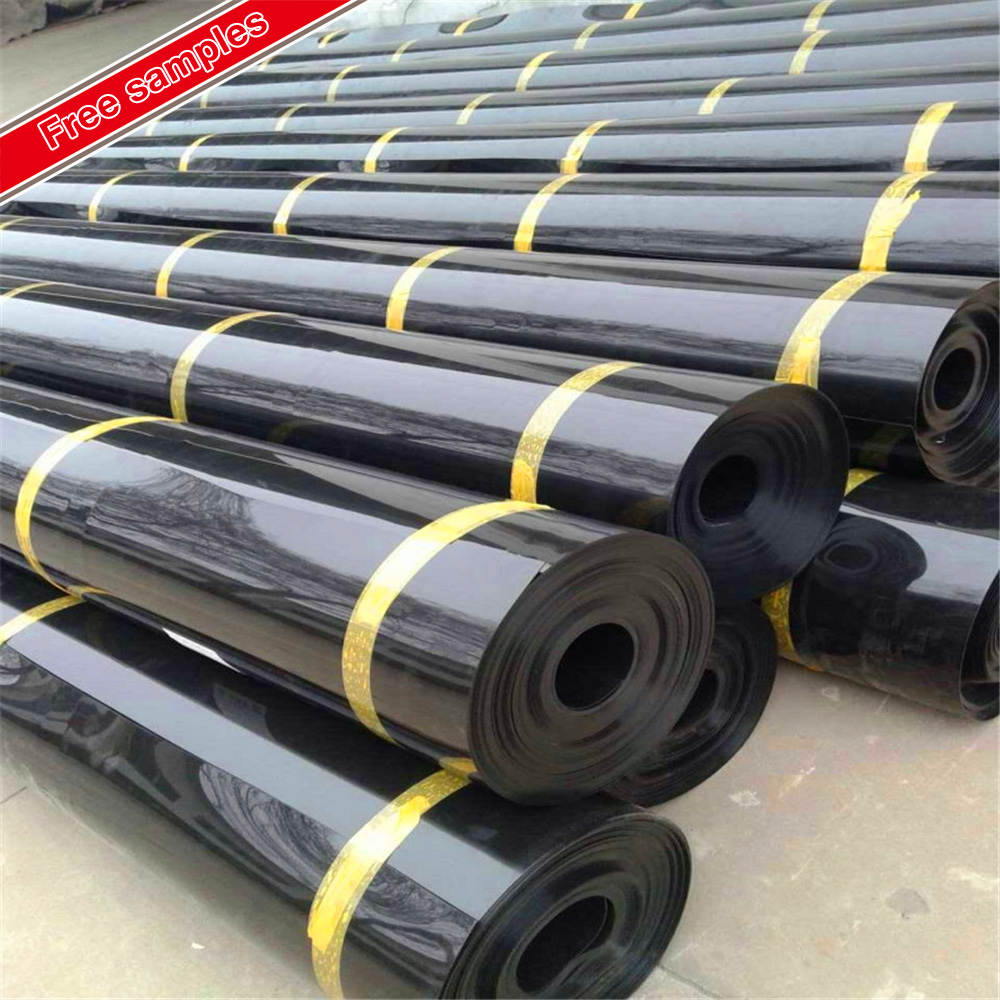
In response, engineers need to design a "piggyback liner system," having the impermeable geomembrane liner take front stage in being the primary barrier Normally there is a liner that has been put in to keep the leachate from all of those new upper cells from moving down into the older less-protective ones. Engineers often must consider different geomembrane types—be it high-density polyethylene (HDPE) for its chemical resistance or linear low-density polyethylene (LLDPE) for the best multi-axial strain performance—to ensure the impermeable geomembrane liner can tolerate the differential settlement of the underlying waste.
2. Managing Differential Settlement with Reinforced Liners
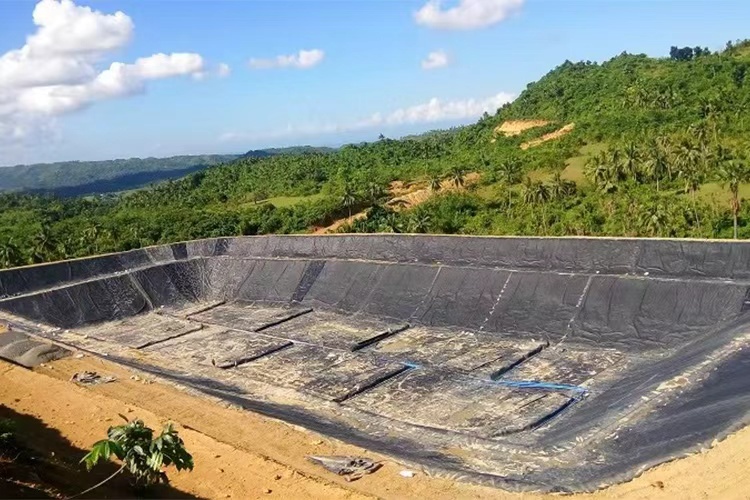
One of the greatest risks in vertical expansion is the uneven sinking of the old waste. If the foundation shifts, a standard barrier might tear. And this is what makes the impermeable geomembrane liner-type, a high elongation type, to be selected as an important point of choice
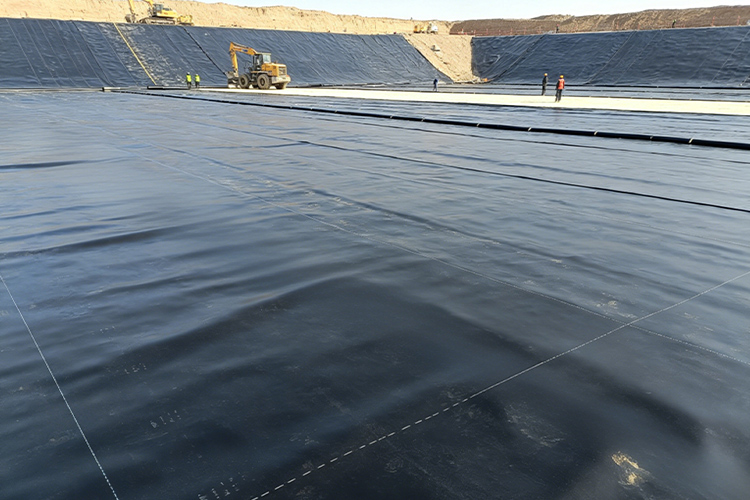
In modern geosynthetic design, it is common for impermeable geomembrane liner to be used in conjunction with high strength geogrid (for e.g. The combination allows for a reinforced base to make up for any potential voids in the wasted suit. This system utilizes a durable impermeable geomembrane liner that preserves the intended hydraulic integrity during continued decomposition and consolidation of the historic mass of waste. This cohesion preserves the environmental protection over the lifespan of the landfill, which spans decades.
3.Leachate Collection and Separation Strategies
A vertical expansion project presents a dual challenge in managing the liquid waste (leachate).You must collect the leachate from the new waste while ensuring it doesn't overload the existing collection system of the old landfill.
A dedicated impermeable geomembrane liner is installed as part of a "composite" system, often including a geocomposite drainage layer.This helps channel the new leachate to separate treatment tanks. Hence, without an impermeable geomembrane liner, cross-contamination of leachate can cause reactions and/or system failure. A secondary containment unit utilizes a special impermeable geomembrane liner which is highly resistant to chemicals, meaning that aggressive industrial leachates are contained without compromising leaching potential.
4.Choosing the Correct Materials for Your Project
If a landfill is reaching capacity, it can be many millions of dollars cheaper to expand up than out, which means less land acquisition and permitting. However, we cannot compromise on the quality of the materials. When searching for geomembrane for sale, project managers need to focus on the technical specs rather than the lowest cost.
Selecting from different types of geomembranes requires knowledge and insight into site-specific conditions. Example: In the extension area, a textured impermeable geomembrane liner may be required to provide the friction needed for steep slope stability. In the end, however, the most important component in the piggyback system is still the impermeable geomembrane liner. Only a certified, high-quality impermeable geomembrane liner ensures that your vertical expansion is compliant with stringent environmental ordinances and will protect the local community.
Conclusion: Maximizing Landfill Life Safely
In the past, landfills were just a couple holes in the ground and geosynthetics have changed that to highly engineered vertical structures. Now, we need to use an impermeable geomembrane liner for vertical expansion to help operators get the most capacity out of their current assets as possible while minimizing environmental impact.
With the progression of technology, the range of geomembrane types is bound to grow further in order to meet unique containment challenges. If you are in the process of planning an expansion and need a geomembrane for sale, then you should focus on hiring well-trained installers to secure your sustainable and leak-free future in waste management.