What are the three types of geomembranes?
Geomembrane is an engineering material with anti-seepage and isolation functions. It is a high-strength, anti-aging waterproof and anti-seepage film mainly used in civil engineering, water conservancy, environmental protection and other engineering projects, which plays a role in blocking the penetration of liquids and gases.
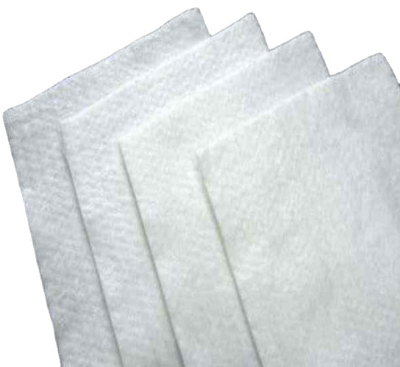
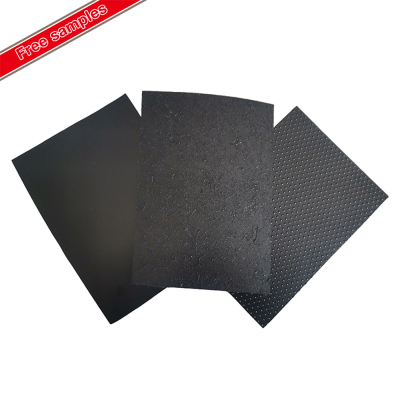
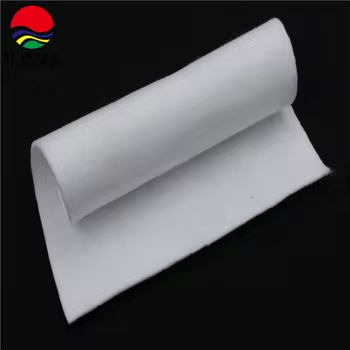
Geomembranes are usually made of polymer materials such as polyethylene, polyvinyl chloride, etc. Some are single-layer films, while others are composite with non-woven fabrics to enhance strength and puncture resistance.
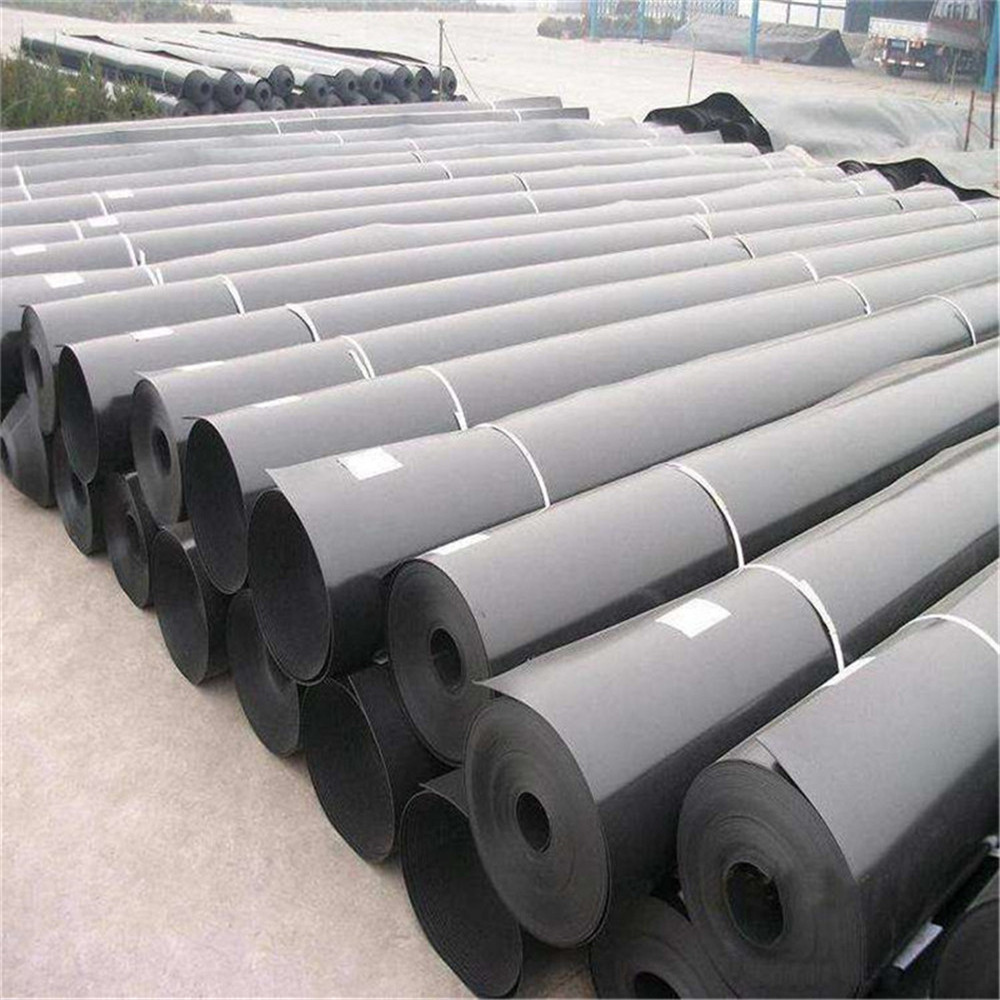
We can roughly divide geomembranes into three categories based on their materials: HDPE, PVC, and EPDM
Firstly, HDPE geomembrane is our most common type of geomembrane. It is as hard as nails - resistant to chemicals, ultraviolet radiation, and even extreme temperatures. Often used in landfills (to prevent harmful substances from leaking underground), reservoirs, and even fish ponds. It is like the main force of geomembrane, reliable and capable of handling difficult tasks.
Secondly, PVC geomembrane is softer than HDPE geomembrane and is easier to install around tricky shapes or uneven surfaces. It is very suitable for projects such as sewage treatment plants or canal lining, but some of its chemical resistance properties are not as good as HDPE geomembrane.
Finally, there is EPDM geomembrane, which is completely elastic - it can expand and contract with temperature changes, making it very suitable for outdoor projects facing large weather fluctuations, such as rooftop applications
Overall, geomembranes have become a key material for controlling the migration of liquids and gases in engineering due to their excellent anti-seepage performance, playing an important role in environmental protection and engineering safety.
If you still don't know how to choose the suitable geomembrane for yourself, you can consult us in detail!