What is a Bentonite Geosynthetic Clay Liner (GCL)?
What is a Bentonite Geosynthetic Clay Liner (GCL)?
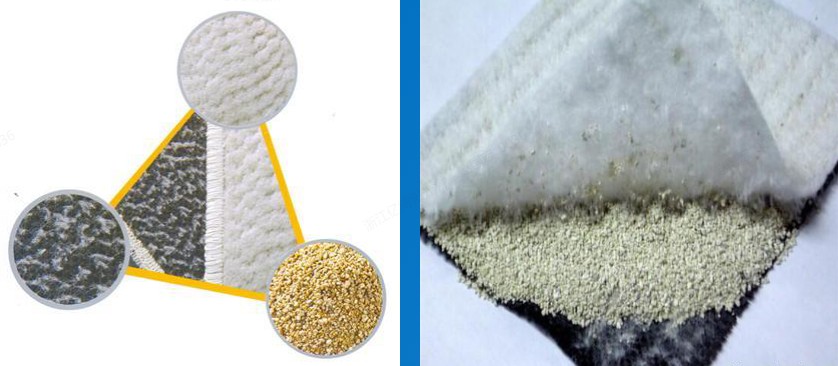
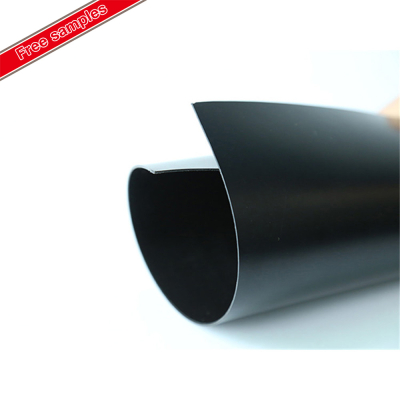
Bentonite Geosynthetic Clay Liner (GCL) is a manufactured hydraulic barrier that combines two highly effective materials: sodium bentonite clay and geosynthetics (typically geotextiles and geomembrane).
Think of it as a "roll-out" impermeable layer that becomes highly effective when hydrated.
Key Components and Structure
A GCL is an engineered composite material. Its structure typically consists of:
1. Sodium Bentonite Clay Core: Sodium bentonite is a naturally occurring clay with an exceptionally high swelling capacity.
When it comes into contact with water, it can swell up to 13-16 times its original volume, forming a dense, low-permeability gel that is highly effective at sealing cracks and stopping water flow.
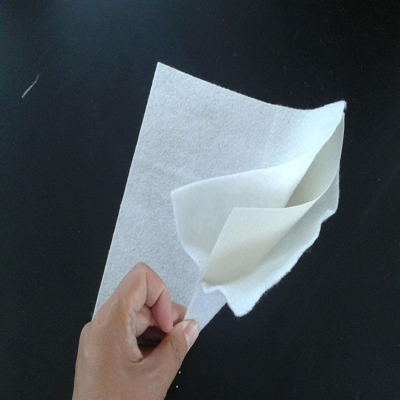
2. Carrier Geotextile: A layer of non-woven geotextile that holds the bentonite in place. It is designed to be porous, allowing water to reach the bentonite so it can hydrate and swell
3. Cover Geotextile: The choice of woven or non-woven depends on the required strength and friction characteristics.
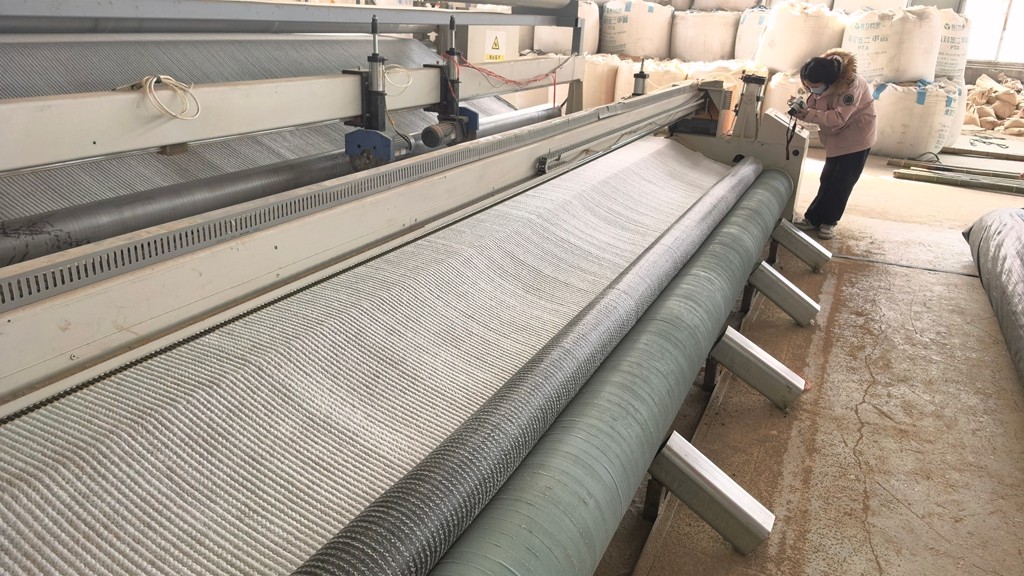
4. Method of Bonding: The layers are held together by needling, stitching, or adhesive bonding.
* Needle-Punched: Barbed needles punch fibers from the carrier geotextile up through the bentonite and into the cover geotextile, mechanically locking the layers together.
* Stitch-Bonded: Threads are used to sew the layers together.
* Adhesive-Bonded: A glue is used to hold the bentonite between the geotextiles (less common).