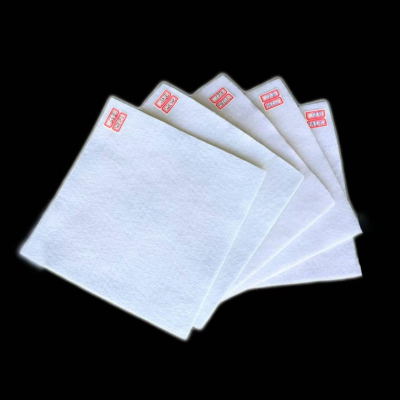
What is the function of HDPE geomembrane?
The Ultimate Guide to HDPE Geomembrane: Superior Waterproofing Solution for Modern Engineering
Introduction: Why HDPE Geomembrane is the Industry Standard
HDPE geomembrane has revolutionized the field of geosynthetic materials, establishing itself as the preferred choice for waterproofing and containment applications worldwide. This high-density polyethylene geomembrane offers an exceptional combination of durability, chemical resistance, and long-term performance that makes it indispensable for environmental protection projects, water conservation systems, and industrial containment applications. As the demand for reliable waterproofing solutions continues to grow, understanding the unique properties and applications of HDPE geomembrane becomes increasingly important for engineers, contractors, and project managers across multiple industries.
Exceptional Physical Properties and Performance Characteristics
Superior Chemical Resistance
One of the most significant advantages of HDPE geomembrane is its outstanding chemical resistance. This material exhibits excellent resistance to a wide range of chemicals, including acids, alkalis, and hydrocarbons, making it ideal for hazardous containment applications. The chemical inertness of HDPE ensures that it maintains its structural integrity even when exposed to aggressive substances over extended periods. This property is particularly valuable in landfill liners, mining operations, and industrial wastewater treatment facilities where chemical exposure is inevitable.
The molecular structure of HDPE geomembrane provides a robust barrier against chemical degradation. Unlike other materials that may deteriorate when exposed to certain chemicals, HDPE maintains its performance characteristics, ensuring long-term containment effectiveness. This chemical resistance is complemented by excellent UV stability, allowing the material to withstand prolonged exposure to sunlight without significant degradation. The carbon black content (2-3%) in HDPE geomembrane acts as a UV stabilizer, protecting the material from the harmful effects of solar radiation.
Mechanical Strength and Durability
HDPE geomembrane exhibits exceptional mechanical properties that contribute to its long service life. With tensile strength ranging from 16-22 kN/m and elongation at break exceeding 700%, this material can withstand significant stress and deformation without failure. The puncture resistance of HDPE geomembrane typically ranges from 450-650 N, while tear resistance values fall between 250-400 N. These mechanical properties ensure that the geomembrane can handle the rigors of installation and the ongoing stresses of operational use.
The material's flexibility allows it to conform to uneven surfaces and accommodate ground movement without compromising its integrity. This flexibility, combined with high tensile strength, makes HDPE geomembrane particularly suitable for applications where ground settlement or thermal expansion may occur. The material operates effectively within a temperature range of -70°C to +110°C, maintaining its properties across extreme environmental conditions.
Impermeability and Waterproofing Performance
The low permeability of HDPE geomembrane is one of its defining characteristics. With water vapor permeability values of ≤ 1.0 × 10⁻¹³ g·cm/cm²·s·Pa, this material creates an effective barrier against water and other liquids. This impermeability makes it ideal for applications where water retention or pollution prevention is critical, such as in reservoirs, ponds, and landfill liners.
The density of HDPE geomembrane (≥ 0.94 g/cm³) contributes to its excellent impermeability characteristics. This high density ensures that the material forms a continuous, non-porous barrier that prevents the passage of liquids and gases. The material's dimensional stability (± 2%) further enhances its performance by maintaining consistent barrier properties over time, even under varying environmental conditions.
Wide-Ranging Applications Across Multiple Industries
Environmental Protection and Waste Management
HDPE geomembrane plays a crucial role in environmental protection projects, particularly in landfill applications. As base and cap liners in landfills, these geomembranes prevent leachate from contaminating groundwater and surrounding soil. The material's chemical resistance ensures that it can contain the aggressive leachate generated by decomposing waste without degradation. Landfill operators worldwide rely on HDPE geomembrane to meet regulatory requirements and protect the environment from potential contamination.
In mining operations, HDPE geomembrane is used to line tailing ponds and heap leach pads, providing a secure barrier that prevents the contamination of soil and water resources with toxic chemicals. The material's durability and resistance to chemical attack make it particularly suitable for these demanding applications. Additionally, HDPE geomembrane is used in wastewater treatment plants and industrial containment facilities to prevent harmful substances from leaking into the environment.
Water Conservation and Management
Water conservation projects represent another major application area for HDPE geomembrane. The material is extensively used as liners in reservoirs, ponds, and canals to prevent water loss through seepage. Its flexibility and impermeability ensure efficient water management and conservation, making it particularly valuable in regions facing water scarcity. The use of HDPE geomembrane in irrigation systems helps maximize water usage efficiency by minimizing seepage losses.
For aquaculture applications, HDPE geomembrane provides a reliable lining solution for fish ponds and shrimp farms. The material's non-toxic nature and food-grade safety make it suitable for direct contact with aquatic life. In agricultural projects, HDPE geomembrane is used to line irrigation ponds, channels, and tanks, ensuring efficient water usage and preventing loss through seepage. The material is also used in biogas plants for lining digesters and storage facilities.
Construction and Infrastructure Development
In the construction industry, HDPE geomembrane serves as an effective waterproofing membrane for foundations, tunnels, and retaining walls. Its excellent impermeability, chemical resistance, and long service life make it highly effective in preventing water seepage and protecting structures from moisture-related damage. The material is also used in road construction projects for waterproofing and soil stabilization applications.
Transportation infrastructure projects, including highways, airports, and subways, utilize HDPE geomembrane for waterproofing and protection against water infiltration. The material's flexibility allows it to conform to complex geometries, making it suitable for tunnel lining applications where traditional waterproofing methods may be less effective. In dam construction, HDPE geomembrane provides reliable seepage prevention and reinforcement for river banks and reservoir embankments.
Technical Specifications and Selection Criteria
Thickness Options and Performance Characteristics
HDPE geomembrane is available in various thicknesses to meet specific project requirements. Common thickness options range from 0.5 mm to 3.0 mm, with each thickness offering distinct performance characteristics suited to different applications. The 1.0mm waterproof HDPE geomembrane represents a popular choice for many projects, offering an optimal balance between performance and cost-effectiveness.
Thinner geomembranes (0.5 mm) are typically used for decorative ponds, landscaping, and temporary lining applications where the mechanical demands are lower. The 1.0mm thickness is suitable for small reservoirs and light containment applications, providing adequate puncture resistance and durability for most standard projects. Thicker options (1.5 mm and above) are recommended for municipal landfills, mining leach pads, and hazardous waste sites where higher puncture resistance and longer durability are required.
Installation and Welding Requirements
Proper installation is critical to the performance of HDPE geomembrane. The installation process typically involves several key steps: site preparation, geomembrane laying, welding, and quality control. The subgrade must be prepared to be smooth, stable, and free of sharp objects that could damage the geomembrane. During laying, the material should be placed with sufficient slack to accommodate thermal expansion and ground movement.
Welding is the most critical aspect of HDPE geomembrane installation. The material can be welded using hot-wedge welding for long, straight seams or extrusion welding for detail work and repairs. The welding process requires specialized equipment and trained technicians to ensure the creation of strong, leak-proof seams. Quality control measures, including visual inspection, pressure testing, and vacuum testing, are essential to verify the integrity of the installed geomembrane.
Quality Standards and Certifications
HDPE geomembrane products must comply with international standards to ensure their performance and reliability. The most common standards include ASTM and GRI-GM13, which specify requirements for material properties, manufacturing processes, and quality control. These standards cover critical parameters such as tensile strength, elongation at break, tear resistance, puncture resistance, and UV resistance.
Manufacturers typically provide certifications demonstrating compliance with these standards, along with additional certifications such as ISO 9001 for quality management systems and ISO 14001 for environmental management systems. These certifications provide assurance that the geomembrane meets the necessary performance requirements for its intended applications and has been manufactured under controlled conditions.
Cost-Effectiveness and Long-Term Value
Life Cycle Cost Analysis
While the initial cost of HDPE geomembrane may be higher than some alternative materials, its long-term value proposition is compelling. The material's durability and long service life (typically 25-50 years) result in lower life-cycle costs compared to materials that require more frequent replacement or maintenance. The minimal maintenance requirements of HDPE geomembrane further contribute to its cost-effectiveness over the project lifespan.
The ease of installation also reduces labor costs and project timelines. HDPE geomembrane can be manufactured in large, wide rolls (up to 8 meters wide), reducing the number of seams and welds required during installation. This not only speeds up the installation process but also minimizes potential points of failure, enhancing the overall reliability of the containment system.