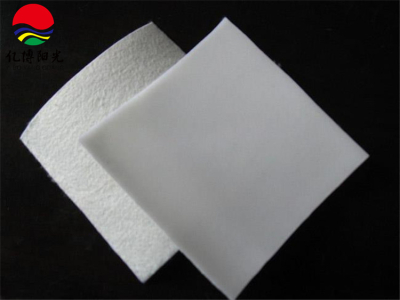
Hdpe geomembrane pond liner
What Is HDPE Geomembrane? A Comprehensive Guide for Your Project Needs
When it comes to waterproofing and containment solutions in civil engineering, environmental protection, and aquaculture, HDPE geomembrane stands out as a top-tier material. Renowned for its durability, chemical resistance, and impermeability, it has become an indispensable choice for projects ranging from small garden ponds to large-scale dam constructions. In this guide, we’ll break down the core aspects of HDPE geomembrane, with a focus on key applications like pond liner, specialized products such as 0.3mm waterproof HDPE geomembrane, and heavy-duty uses like 1mm Hdpe geomembrane (1mm geomembrane liner used in dams).
1. Definition and Core Properties of HDPE Geomembrane
HDPE geomembrane is a flexible, high-density polyethylene sheet engineered to create a seamless, impermeable barrier. Unlike traditional waterproof materials, it boasts exceptional tensile strength, corrosion resistance, and UV stability, making it suitable for both above-ground and underground applications. One of its most popular uses is as a pond liner—a role where its ability to prevent water seepage and resist damage from aquatic organisms and soil chemicals shines.
For lightweight yet effective waterproofing tasks, 0.3mm waterproof HDPE geomembrane is a go-to option. This thin but robust variant offers perfect impermeability while being easy to transport and install, ideal for small-scale ponds, backyard water features, or temporary containment areas. On the heavier side, 1mm Hdpe geomembrane projects is a common practice in civil engineering. The 1mm thickness provides enhanced puncture resistance and load-bearing capacity, ensuring the dam’s structural integrity by preventing water leakage from the reservoir into the surrounding soil.
2. Key Applications of HDPE Geomembrane Across Industries
2.1 Aquaculture and Pond Construction: The Versatile Pond Liner
In aquaculture, maintaining water levels and water quality is critical for fish and shrimp farming success. HDPE geomembrane serves as a reliable pond liner that eliminates water seepage, reducing the need for constant water refilling and lowering operational costs. 0.3mm waterproof HDPE geomembrane is particularly suited for small fish ponds or ornamental water gardens, as its flexibility allows it to conform to irregular shapes, and its UV resistance ensures it won’t degrade under prolonged sunlight exposure. For larger commercial aquaculture ponds, thicker variants can be used, but the 0.3mm option remains a cost-effective choice for hobbyists and small businesses.
2.2 Water Conservancy Projects: 1mm Geomembrane Liner Used in Dams
Dams are vital infrastructure for water storage, flood control, and hydropower generation, and their waterproofing systems are non-negotiable. 1mm Hdpe geomembrane is a standard application in this field. The 1mm HDPE geomembrane liner acts as a primary barrier between the dam’s core and the stored water, preventing seepage that could lead to soil erosion, structural weakening, or even dam failure. Its high tensile strength allows it to withstand the immense pressure of the water body, while its chemical resistance protects it from harsh substances present in soil and water. Compared to thinner liners, the 1mm version offers superior durability, making it the preferred choice for long-term dam projects.
2.3 Environmental Protection and Waste Management
Beyond ponds and dams, HDPE geomembrane is widely used in landfill sites, hazardous waste containment facilities, and wastewater treatment plants. It creates a secure barrier to prevent the leakage of toxic substances into the soil and groundwater, safeguarding the environment and public health. Even in these applications, 0.3mm waterproof HDPE geomembrane can be used for secondary containment, while thicker liners handle primary waste isolation.
3. Installation Tips for HDPE Geomembrane Liners
Proper installation is crucial to maximizing the performance of HDPE geomembrane, whether it’s used as a pond liner, a 0.3mm waterproof HDPE geomembrane for small projects, or a 1mm Hdpe geomembrane. First, the installation site must be cleared of sharp objects, rocks, and debris to avoid puncturing the liner. For pond applications, the pond liner should be laid flat and anchored securely at the edges to prevent shifting. For dam projects, the 1mm liner needs to be welded seamlessly using specialized equipment, as any gaps could lead to water seepage.
Additionally, for 0.3mm waterproof HDPE geomembrane, it’s recommended to use a protective underlayer (such as non-woven geotextile) in areas with rough soil, to enhance its longevity. Regular inspection after installation is also essential—checking for tears, loose seams, or UV damage ensures the liner functions effectively for years.
4. Why Choose HDPE Geomembrane Over Alternative Materials?
Compared to PVC liners or traditional concrete waterproofing, HDPE geomembrane offers distinct advantages. It is more flexible, making it easier to install on uneven terrain—a key benefit for pond liner applications and 1mm Hdpe geomembrane projects with complex topographies. It is also resistant to a wide range of chemicals, including acids and alkalis, which is crucial for waste containment and industrial applications.
0.3mm waterproof HDPE geomembrane further stands out for its cost-effectiveness, providing reliable waterproofing without the high price tag of thicker materials. For large-scale projects like dams, the 1mm HDPE liner’s durability means lower maintenance costs over its lifespan, as it requires minimal repairs compared to concrete or other rigid materials.
Conclusion
HDPE geomembrane is a versatile, high-performance material that meets the diverse needs of waterproofing and containment projects. Whether you’re looking for a reliable pond liner for your backyard water feature, a lightweight 0.3mm waterproof HDPE geomembrane for small-scale applications, or a heavy-duty solution like 1mm Hdpe geomembrane, HDPE geomembrane delivers unmatched performance and value. By understanding its properties, applications, and installation requirements, you can select the right HDPE geomembrane variant to ensure the success and longevity of your project.