How Long Does a Geomembrane Last?
Longevity is king in environmental containment and civil engineering related work. When a project manager says: "The duration of geomembrane? What is the life of geomembrane & Studies? In fact, what they are really inquiring about is the ROI and if their facility will be safe for an extended period. Lining a municipal landfill, mining heap leach pad or agricultural reservoir, the geomembrane sheet is designed to be robust & keep the costly environmental remediation and loss of resources at bay.
Some liners go bad in several years, while a high-quality, well-installed system can be effective for 30, 50 or even one hundred years.This guide breaks down the critical factors that determine the service life of these essential barriers.
1. The Role of Polymer Resin in Long-Term Durability
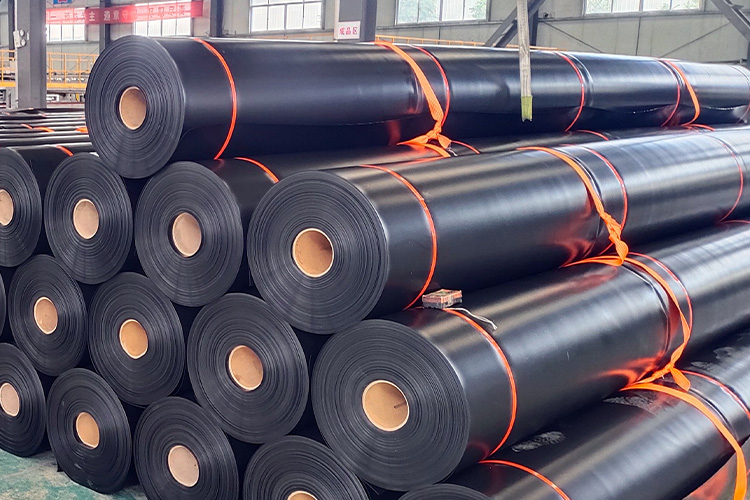
The lifespan of any containment system begins at the molecular level. Most modern industrial liners are made from High-Density Polyethylene (HDPE), a polymer known for its incredible chemical resistance and mechanical strength. The quality of the resin used to manufacture the geomembrane sheet is the single most important factor in its survival.
High-quality resins formulated to meet GRI-GM13 standards contain specific antioxidant packages that protect the plastic from thermal oxidation during installation and service. A geomembrane sheet manufactured with 100% virgin resin will far outlast a cheaper alternative made with recycled content or inferior stabilizers. In buried applications, such as a landfill base liner, the absence of UV light and extreme temperature swings allows the polymer chains to remain stable for up to a century.
2. Environmental Impact: UV Exposure and Oxidative Degradation
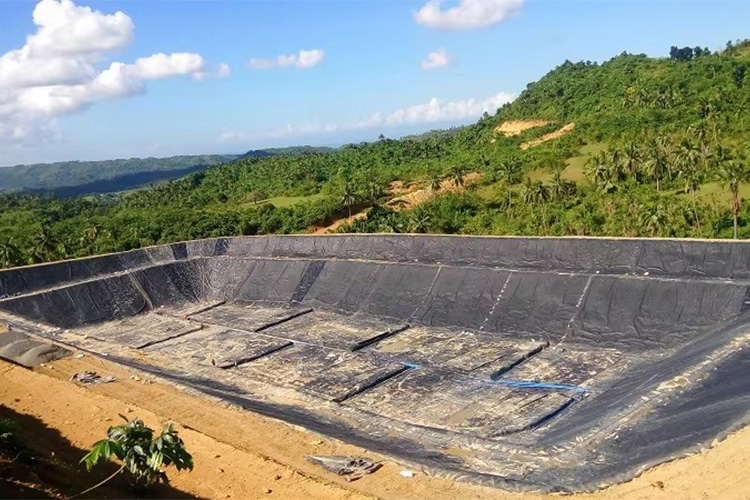
When a liner is left exposed to the elements—such as in a dam, a canal, or a decorative pond—its lifespan is significantly shorter than in buried applications.Ultraviolet (UV) radiation and oxidation is the main enemy of a geomembrane sheet.
Manufacturers add 2% to 3% carbon black to the formula to counter this. This additive works as a type of “sunscreen” for the geomembrane sheet, absorbing UV rays before they have the time to break up those polymer bonds. For high-density polyethylene (HDPE) liners, the lifespan in exposed environments is usually between 20 and 30 years. But the improvements in High-Pressure OIT (Oxidative Induction Time) resins take things a step further, maintaining the flexibility and tensile strength of even geomembrane sheet that have been under brutal desert sun.
3. Thickness and Project Scope: Understanding Geomembran 300 Micron
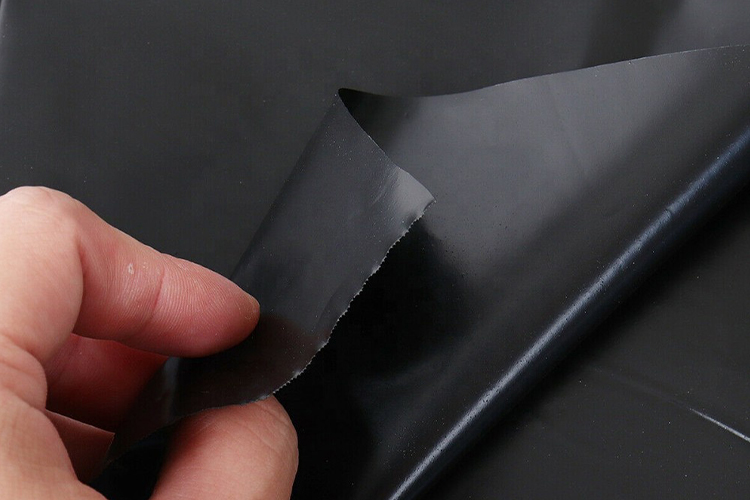
The thickness of the material is directly correlated to its mechanical durability and, by extension, its service life. There is some specification from very thin moisture barriers to ultra-thick landfill liners in the geosynthetics market In light-duty applications, a geomembran 300 micron (0.3mm) may be required for things like temporary soil covers or the bottom of small garden ponds.
A geomembran 300 micron has good flexibility and easier installation, but it cannot bear physical damage as much as thicker alternatives and are more prone to the environmental stress cracking. Engineers usually use a thickness of 1.0mm (40 mil) or thicker for geomembrane sheets in infrastructure projects to be built to last. Conversely, the geomembran 300-micron is an extremely affordable and portable solution for short-term projects where this thin sheet does not have to last more than 2 to 5 years without underkill of industrial scale thickness.
4. Strategic Investment: Balancing Geomembrane Liner Price and Longevity
The geomembrane liner price is one of the most important factors to consider in any procurement process. But it is important that you differentiate between upfront cost and lifecycle cost. The geomembrane liner price might be low, but this value can reflect a material with less antioxidants or lower stress-crack resistance rating.
For example, it takes a lot of money to drain the pond, dredge out the sediment and reinstall another sheet of geomembrane; hence if that liner fails after 5 years from bad resin quality the cost will exceed your initial savings many times over.Quality management is the key to optimizing the geomembrane liner price. By investing in a certified geomembrane sheet that meets international standards, you are ensuring that the maintenance and replacement costs are deferred for decades. Proper installation, including certified thermal welding and leak location surveys, further protects the performance of the geomembrane sheet, ensuring that your initial investment stands the test of time.
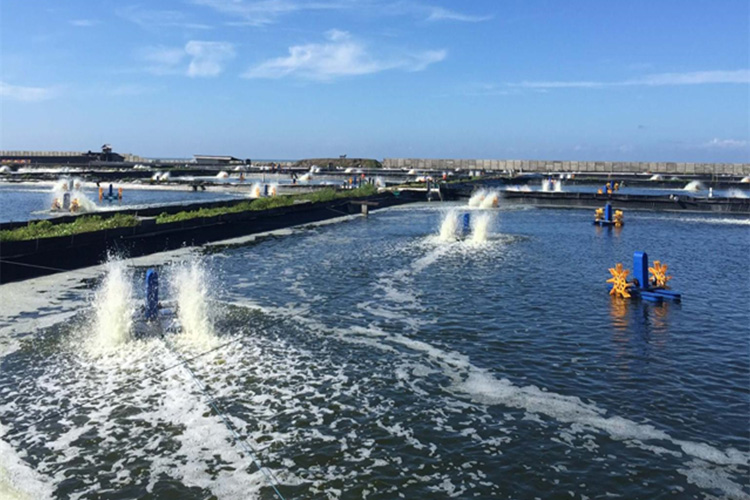
In conclusion: How Long Does A Geomembrane Last? has a variable answer. A durable geomembrane sheet can last more than 100 years if it is installed underground and in a protected environment. In the sun, you can anticipate 20 to 30 years of predictable service.
Maximize the lifespan of your project:
Ideal thickness: heavy duty for your permanent site, and geomembran 300 micron for light-duty or temporary use only. Check Standards: The resin conformance with GRI-GM13 / GM17 should be verified only. Assess Value: See beyond the cost of the geomembrane liner and think about decades of protection that material can deliver. Choosing the correct geomembrane sheet along with proper installation quality control can keep your containment system leak-free and environmentally safe for decades.