Is Geomembrane Plastic?
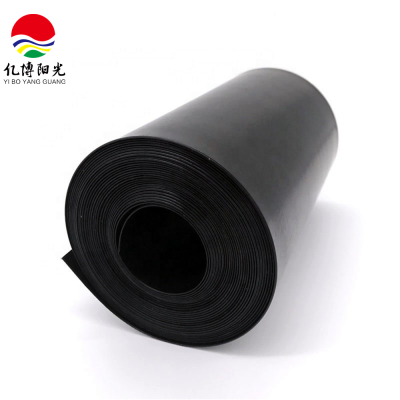
For those new to the civil engineering or geotechnical containment, a common question that may arise if you take a look at a giant roll of black liner: Is a geomembrane plastic?
The simple answer is yes. The Geomembranes are synthetic plastic (Polymers) in nature chemically and physically. Comparing a high performance hdpe membrane to your regular grocery plastic is like comparing aerospace-grade carbon fiber to a pencil. They share basic chemical building blocks but differ in engineering, durability and performance by miles.
In this guide we consider the key characteristics of geomembranes construction with plastic, what makes and why is so important for environmental protection through its polymer chemistry, and how to source the correct material.
1.Polymer Chemistry: A geomembrane is a plastic of what format?
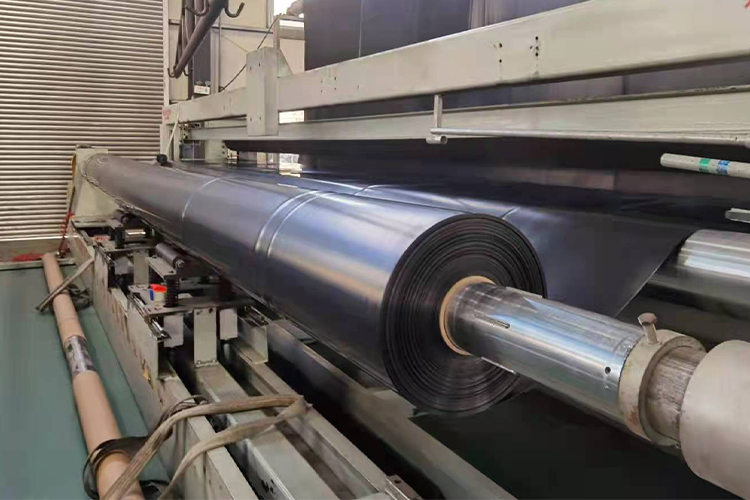
The understanding whether geomembrane is made of plastic needs help from polymer science. Plastic is a general name for synthetic or semi-synthetic organic solids that serve as preliminary substances in subsequent words. Typically, the physical and chemical properties of various thermoplastic polymers are evaluated in making this selection when manufacturing geomembranes.
Over the years, there have been many iterations of plastic polymers with High-Density Polyethylene (HDPE) being one of the most widely used in the industry today. This raw material is an hdpe membrane when extruded as large sheets. Other polymer types include:
LLDPE(Linear low density polyethylene) : A flexible plastic sheet which is recommended for projects that are prone to differential settlement.
PVC (Polyvinyl Chloride): More elastic but less resistant to chemicals and UV as much as an hdpe membrane.
This type of materials Assigned you Enjoy fPP Packaging Flexible Polypropylene: It is very puncturable and provides a good flexibility, but its cost is usually higher.
Recognizing that a geomembrane is merely a designed plastic, an engineer can choose the precise polymer composition that meets what his or her containment site has in terms of chemical and thermal challenges.
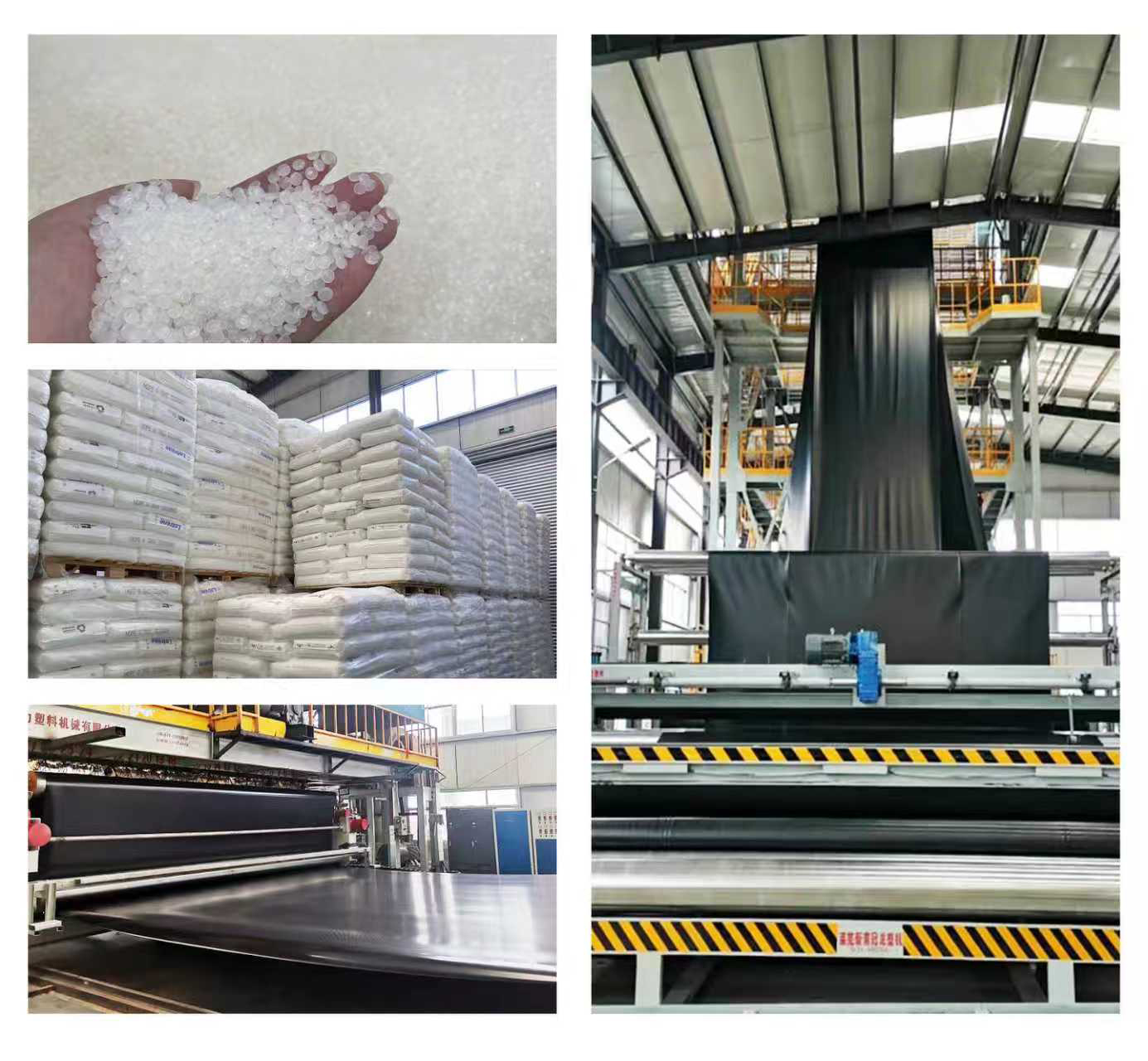
2.Surface finishes: When to use a HDPE smooth geomembrane?
Manufacturers can simply customize their surface textures during extrusion as these liners are made of thermoplastic polymers. That results in two basic types of liners — smooth and textured.
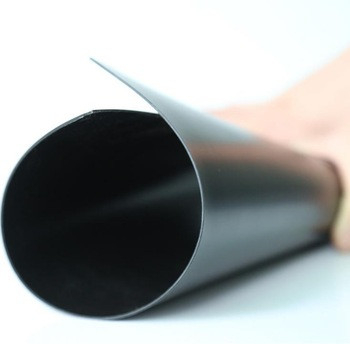
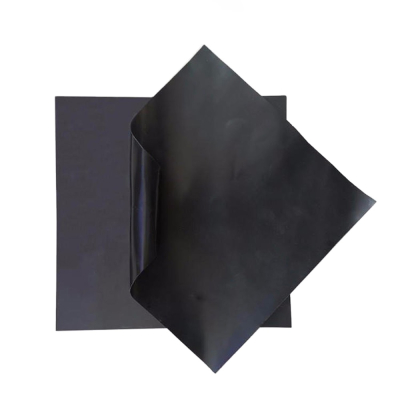
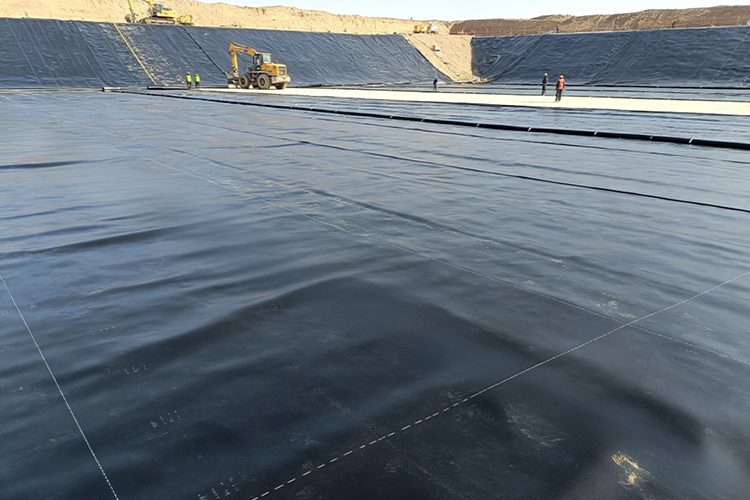
For many standard flat-surface applications, the hdpe smooth geomembrane is the industry standard. It also has a few unique benefits, as it is simply a smooth sheet of plastic:
Perfect Seaming:The smooth, uniform surface of an hdpe smooth geomembrane facilitates proper on-site thermal fusion.
Maximum Shear Strength: Textured liners are required for use on steep slope surfaces, while the hdpe smooth geomembrane is ideal for flat ground with excellent tensile properties and requiring minimal shear strength, making it the best choice for a myriad of flat-bottomed agricultural ponds, canals and secondary containment areas.
Easy to Clean: The glossy plastic finish allows for the easy removal of sediment or debris from lined aquaculture ponds.
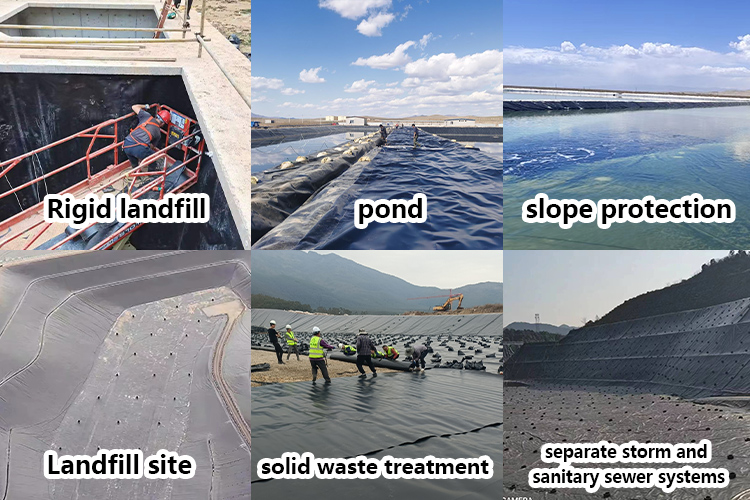
If you are lining a simple irrigation canal or a complex industrial containment cell, the hdpe membrane will always stay customizable to the structural requirement of your subgrade.
3.Plastic vs more common household plastics — Engineering-Grade
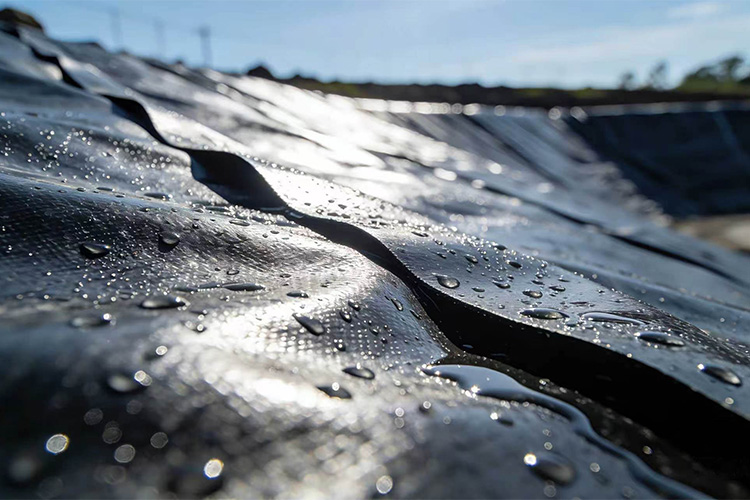
Problem No. 1: Cheap Molecules Cannot Give an Apron to a Containment Project The additives are where the difference lies, plus quality of manufacture. Unsurprisingly, a low-cost plastic material used in retail sheets will break down during direct sunlight and warm temperatures in simply months.
On the other hand, an engineering-grade hdpe membrane is designed for life spans of decades.Its composition typically includes:
97% Virgin Polyethylene Resin: Provides the raw mechanical strength and chemical resistance.
2-3% Carbon Black: This are the ingredients works as black color for hdpe membrane and provides ultimate protection against ultraviolet (UV) radiation
Antioxidants and Stabilizers: These agents help to prevent thermal oxidation in the course of installation, as well as making certain that plastic chains don't break down eventually.
This strong formulation designed for hdpe lining membrane makes it compliant with international standards such as GRI-GM13. It keeps the plastic barrier from failing and losing its impermeability when it is subjected to acidic mining chemicals, municipal landfill leachates and extreme weather.
4. Sourcing and Economics: Understanding the HDPE Geomembrane Sheet Price
When managing a large-scale civil engineering budget, the cost of materials is always a primary concern. The hdpe geomembrane sheet price is determined by several factors, all related to the polymer market and manufacturing specifications.
Factors steering the price of hdpe geomembrane sheet include:
Raw Resin Index: Since geomembranes are plastic materials, their cost ultimately follows the global prices of crude oil and polyethylene resin.
Thickness:Liners can be sold by weight or thickness (30 mil to 120 mil). The more raw plastic resin needed to create a thicker hdpe membrane, the higher the price.
Additives: While high-performance antioxidant packages (for example, High-Pressure OIT formulations) will marginally add to the hdpe geomembrane sheet price, they will exponentially prolong the service life of the liner.
It is important to note that when comparing quotes, an inexpensive hdpe geomembrane sheet price can indicate the use of recycled resins or poorly treated UV stabilizers. Compromises on a plastic liner can lead to catastrophic remediation damages far down the line.
Conclusion: The Ultimate Engineered Plastic
So to sum up, a geomembrane is plastic but in its highest form of polymer engineering! Engineers take this high-density polymer and use it as the hdpe membrane to create strong, impenetrable barriers that shield our natural environment from toxic waste material while retaining precious water resources.
If you need a very weldable hdpe smooth geomembrane for a flat agricultural pond, or perhaps an extremely thick textured liner for a steep slope application, understanding the polymer chemistry of your material can make all the different in project success. Through assessments of the hdpe geomembrane sheet price based upon longevity criteria, you can maintain an effective structure and leak-free containment system for many years.