What is a Geomembrane Used For?
In the modern landscape of civil engineering and environmental stewardship, the question of how to effectively contain fluids and gases is paramount. Currently the best solution are high density polyethylene (HDPE) geomembranes. These synthetic liners create an almost impenetrable container, so hazardous material stays away and essential resources such as water are saved.
But what exactly is a geomembrane used for? Across industrial mines to agriculture fields, the Midwest applications range widely.This article explores the top four areas where these liners make a world of difference.
1.Water — The Essense of Life that requires Management.
The water crisis is growing and expensive accessible storage of water for transport is becoming high-stakes, both for governments and the private sector. The high density polyethylene geomembrane is best suited for very durable and UV resistant material for large-scale water storage.
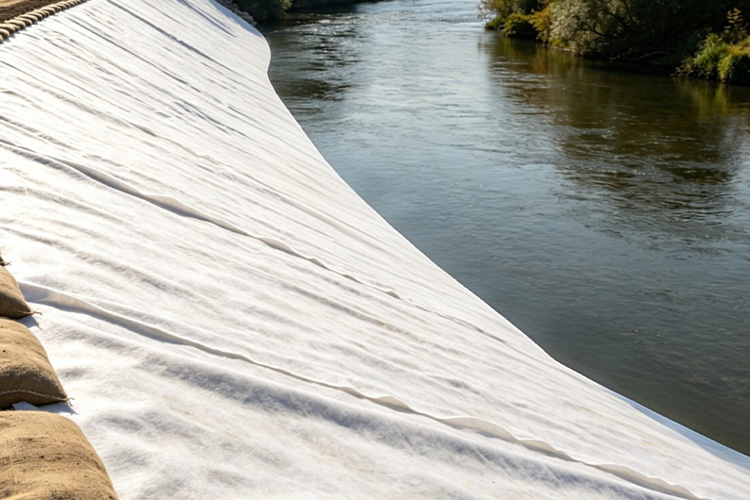
In the agricultural and municipal sectors, these liners are frequently referred to as hdpe dam liners.The use of hdpe dam liners in reservoirs and irrigation canals completely controls seepage loss, which is when water penetrates into the ground instead of going through to reach its final destination. When you cover a dam with high density polyethylene (HDPE) geomembranes, the operators can make sure every single drop of water they manage to collect is for them, enhancing the efficiency of irrigation systems in arid areas by leaps and bounds.
2.Environmental Protection — Land fills and Waste Containment
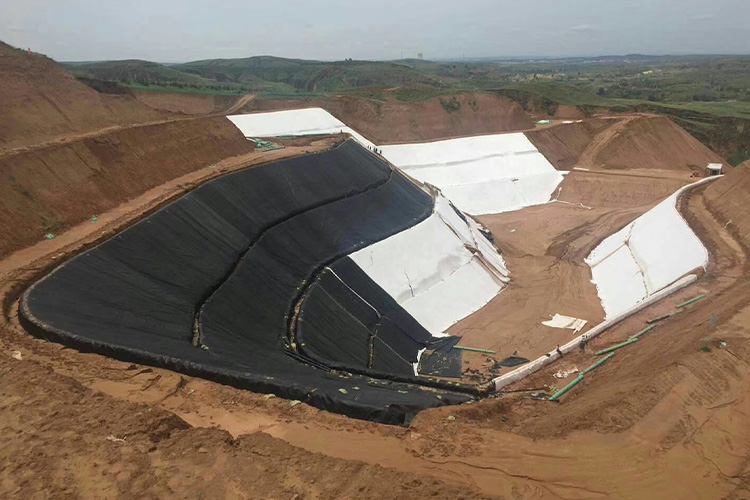
Municipal and hazardous waste landfills are one of the most traditional but also need the highest technology application area for high density polyethylene geomembrane. This leachate (the toxic liquid runoff from waste) would contaminate the groundwater without a proper barrier, leading to irremediable ecological harm.
In a "dry tomb" landfill, the primary bottom line is high density polyethylene geomembrane with good puncture resistance properties. Normally used with the clay and drainage layers to form a layered barrier system. Provided that the high density polyethylene geomembrane is chemically inert, then there will not be a chemical reaction with the complex cocktail of chemicals contained in industrial waste which allows for the containment to remain secure for up to or over 100 years.
3. Industrial and Mining Applications: Safe Resource Recovery
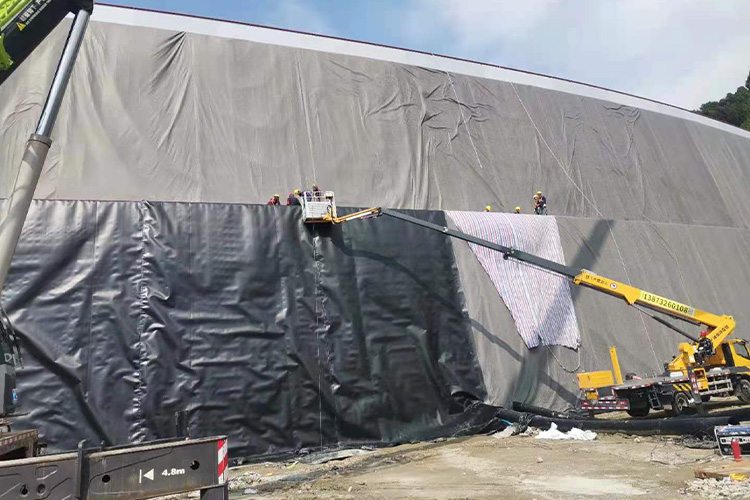
The mining industry is another area for which the high density polyethylene geomembrane seems to be an irreplaceable material. Heap leaching, used mainly to recover gold and copper from their ores, involves stacking ore onto a lined pad and spraying it with chemical solution.
In such high-stress scenarios, the thickness of the liner is an important specification. Skeleton: A 500 micron (0.5mm) / geomembrana or membrane at microthickness might be appropriate for light-duty moisture barriers or small decorative ponds, but mining operations require much thicker versions of the high-density polyethylene geombrane to carry millions of tons worth of ore weight. But may provide a less costly and more flexible solution for secondary containment areas, or temporary storage of process water A geomembrane can be 500 micron. No matter how thick, a high density polyethylene geomembrane is used to collect the precious chemical solutions that must not escape from the soil.
4.Agriculture and Aquaculture: Improving Food Security
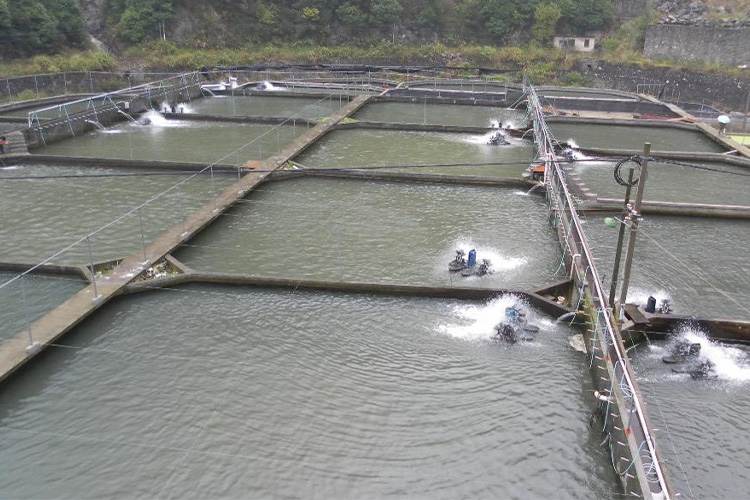
Geomembranes are widely used in modern food production for controlled environments of animals and fish. An aquarium in aquaculture for use of high density polyethylene geomembrane for fish ponds and shrimp farms (image by Tania de Paiva)
Benefits of using a high density polyethylene geomembrane in aquaculture consist:
Prevention of Soil- Borne Diseases: Its helps keep soil-borne pathogens out of the water source.
Convenient Harvesting: The use of the high density polyethylene geomembrane will also help in cleaning and harvesting the catch from the pond.
Water Quality : This helps to keep soil from mixing with the water which can cause turbidity.
Pond Liner Seepage Prevention: Similar to the hdpe dam liners it keeps the pond at constant level which in turn decreases pumping energy costs.
When farmers are able to provide a clean, non toxic environment, the high density polyethylene geomembrane helps them increase yields and improve quality of their products.
Conclusion: The Foundation of Sustainable Infrastructure:
The Building Blocks of Sustainable Infrastructure So, what is a geomembrane for? It is the environment's quiet protector and the foundation of resource efficiency. From heavy duty hdpe dam liners for a national reservoir to a more niche geomembrane 500 micron for moisture protection; the high density polyethylene geomembrane, with its technical and environmental behaviour, offers the type of protection that few natural materials can provide.
Global trends towards greater environmental safety will only increase demand for high quality high density polyethylene geomembrane solutions. The best investment to ensure a leak-free and sustainable future for any infrastructure project is the right liner today.