What is the difference between geomembrane and geotextile?
The language used in the intricate field of geotechnical engineering can frequently be intimidating. Geomembranes and geotextiles are two of the most controversial materials. Although they are members of the same "geosynthetics" family, their functions are essentially different and even incompatible.
The distinction between a geotextile and a hdpe geo membrane must be understood by environmental engineers, contractors, and project managers. Catastrophic failures, like groundwater contamination or structural instability, could result from selecting the incorrect material. To help you choose wisely for your next project, this guide outlines the four main distinctions.
1. Main Purpose: Mechanical Filter vs. Fluid Barrier
The permeability of these two materials is the main distinction between them.
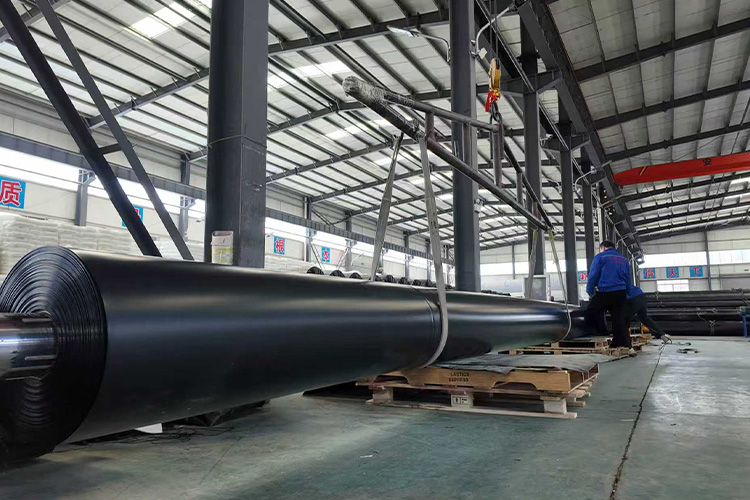
The purpose of a hdpe geo membrane is to create an impermeable barrier.Its primary goal is to stop the circulation of fluids and gases. The hdpe geo membrane functions as a complete seal, guaranteeing that hazardous liquids remain confined and do not seep into the surrounding environment, whether it is lining a mining heap leach pad or a hazardous waste landfill.
Conversely, a geotextile is a porous cloth. It is designed to let water pass through while holding onto soil particles, not to stop it.Separation, filtration, drainage, and strengthening are its main purposes. A geotextile controls the flow to stop soil erosion and drainage system blockage, whereas an HDPE geo membrane blocks the flow.
2. Material Composition and Physical Structure
These materials also have quite different physical appearances and textures.
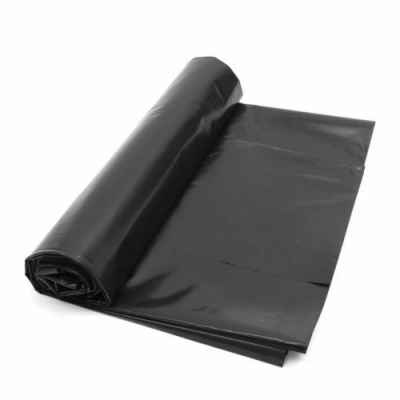
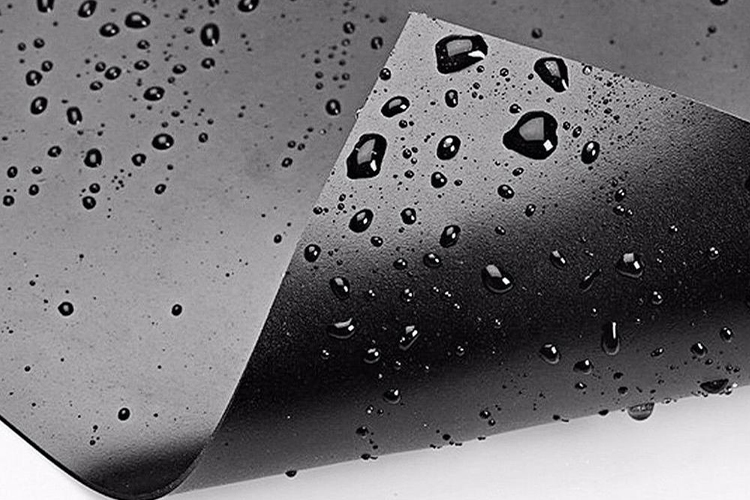
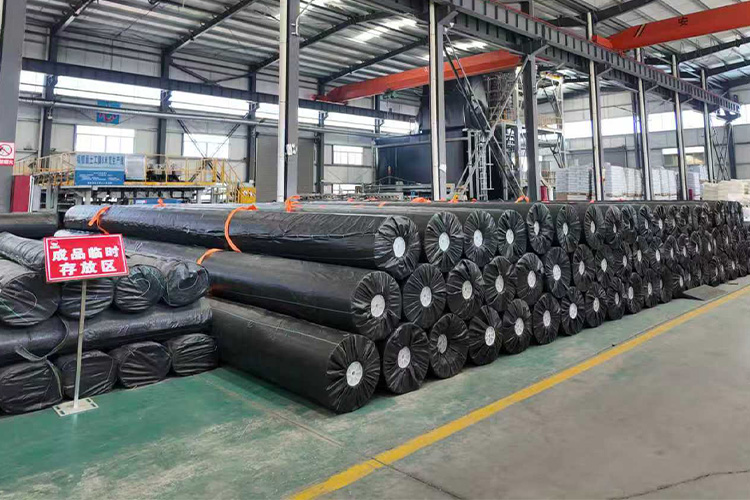
A polyethylene geomembrane is a continuous, solid sheet of plastic that contains both HDPE and LLDPE. It is produced by blowing or extrusion, giving it a smooth or textured surface that looks like a thick, heavy-duty pond liner. The polyethylene geomembrane provides exceptional chemical resistance and endurance against UV radiation because it is a non-porous polymer.
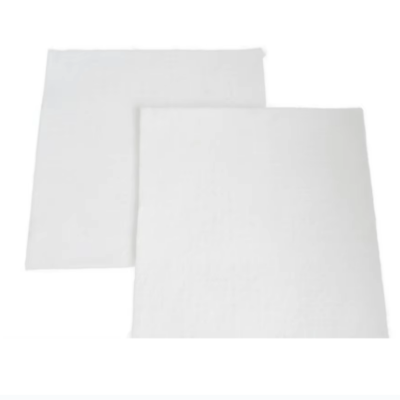
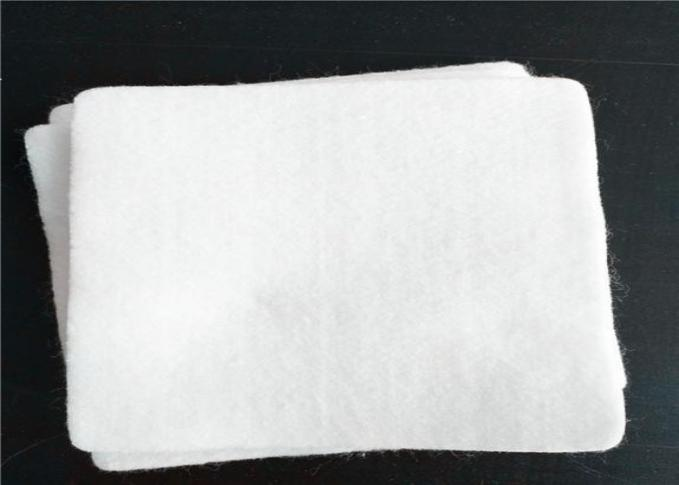
Geotextiles, on the other hand, resemble thick industrial fabric in both appearance and feel. They are usually composed of polyester or polypropylene fibers that are either matted together by needle punching (non-woven geotextiles) or woven together (woven geotextiles). A geotextile features visible pores that let it breathe and drain, in contrast to the solid hdpe geo membrane.
3. Crucial Uses: Where Every Material Is Exceptional
They are utilized in rather distinct areas of a construction project due to the vast differences in their duties.
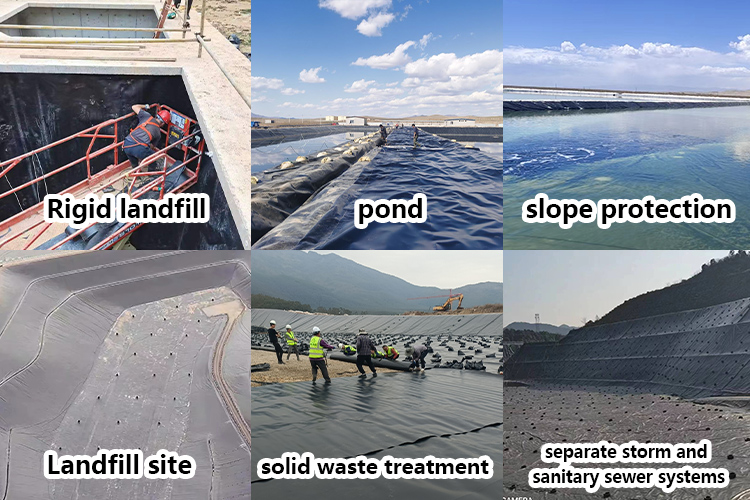
Typical applications for a hdpe geo membrane consist of:
Groundwater protection and leachate containment are the goals of landfill liners.
Liners for ponds and dams: To stop water loss from seepage.
Mining: To recover precious metals by lining heap leach pads.
Secondary Containment: Preventing oil or chemical leaks from penetrating the ground.
Geotextiles are more commonly found in:
Road construction: To keep various soil layers apart and stop them from blending together.
Retaining walls: For drainage and structural integrity.
Erosion control: To prevent slopes or riverbanks from eroding.
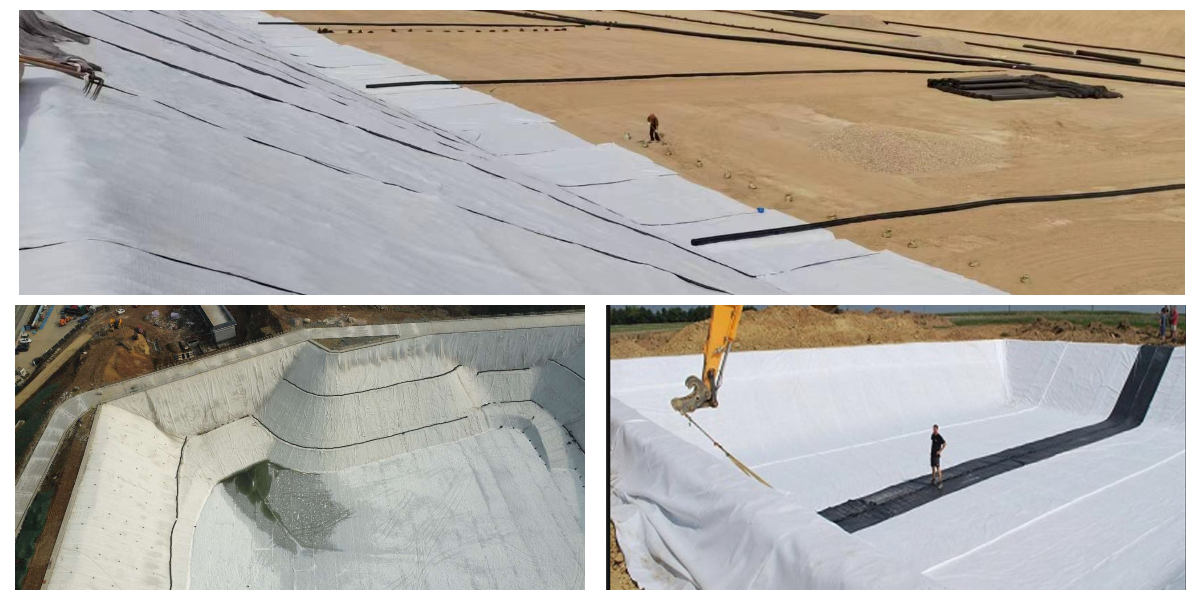
Protection Layers: To prevent sharp stones in the subgrade from piercing the plastic sheet, a non-woven geotextile is often positioned directly beneath an HDPE geo membrane.
4. Procurement Factors and Cost Considerations
Geomembrane sheet prices are impacted by different elements than geotextile costs when it comes to budgeting.
The thickness (measured in mils or millimeters), the quality of the raw resin, and the addition of specific additives like UV stabilizers are the main factors that affect the cost of geomembrane sheets. An HDPE geo membrane often costs more per square meter than a typical geotextile because it is a heavier, thicker polymer product.
When searching for the best geomembrane sheet price, one important consideration is the "total cost of ownership." A less expensive, lower-quality hdpe geo membrane might save money at first, but if it doesn't work, the costs of remediation could be high. To ensure long-term performance, make sure the material satisfies GRI-GM13 criteria.
In conclusion, the synergistic relationship
We have focused on the differences, however it is important to keep in mind that these two materials are often blended in "composite liner systems." In a modern landfill, for example, a geotextile might be used to protect a hdpe geo membrane, which works with a geocomposite drainage layer to provide a fail-safe containment system.
You may create safer and more effective infrastructure by realizing that the geotextile is for management and the hdpe geo membrane is for containment. Selecting premium geosynthetics is the cornerstone of each successful engineering project, regardless of your focus on technical specifications or the cost of geomembrane sheets.