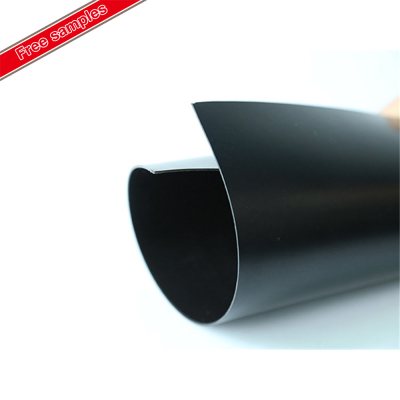
What is the difference between HDPE and geomembrane?
There are frequently confusion among technical terms of containment and geotechnical engineering fields. Questions that project managers and procurement officers frequently ask are: HDPE and geomembrane is one has the question but what makes it different.
Let me be clear right off the bat: Their relationship is as "wood" to a "table." HDPE (High-Density Polyethylene) is the base material, and a geomembrane becomes a final product (the synthetic liner). The geomembrana can be made on different polymeric bases such as PVC, LLDPE or EPDM, extrapolating that the hdpe geomembrana is by far the most common version in development projects and industrial materials from an environmental point of view.
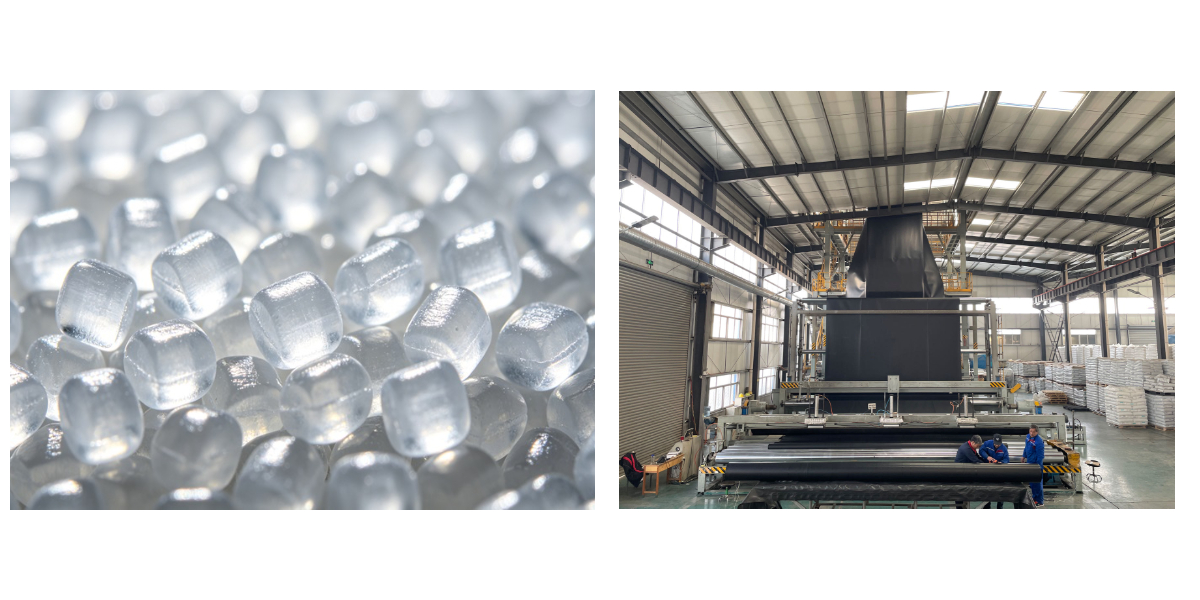
This distinction is very important for you to make sure you choose the right solution for leak prevention and soil protection. This guide explains the four product aspects that help distinguish between material and product.
1. Material vs. Application: Defining the Basics
The primary difference is their classification. HDPE is a type of thermoplastic polymer made from petroleum. Widely recognized for its extraordinary strength-to-density ratio, they utilize anything from milk jugs and piping to heavy-duty engineering materials.
A geomembrane, however, is a specific type of geosynthetic material that acts as an impermeable barrier. By using HDPE resin properties, it is possible to manufacture these liners which result in the hdpe geomembrana.Because the hdpe geomembrana is a solid, non-porous sheet, its primary application is to stop the migration of fluids and gases. To put it simply, HDPE is the "what" and a geomembrane is the "how."
2. Chemical Resistance and Polymer Performance
While the term "geomembrane" refers to any liner, the chemical performance varies significantly based on the polymer used. Hence only membrane hdpe are requested in the areas of dangerous environment.
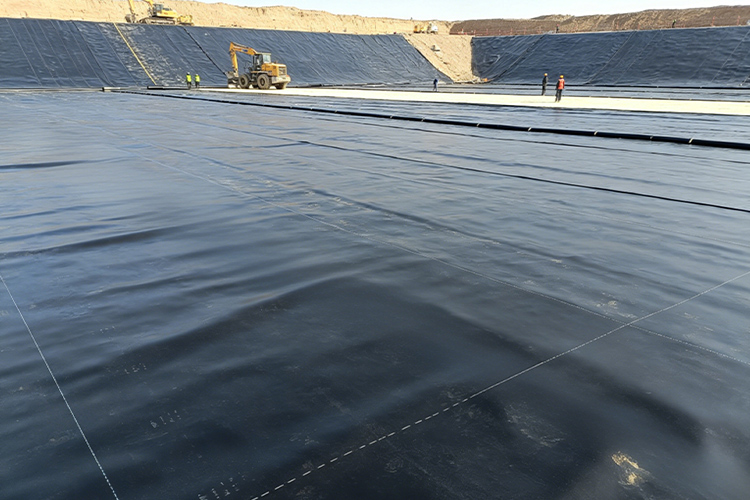
High-density polyethylene has a molecular structure that render it highly resistant to acids, bases and organic solvents.This makes the membrane hdpe the gold standard for mining heap leach pads and hazardous waste landfills.Other geomembranes like PVC are lower in tensile strength but more flexible than an hdpe membrane however they do not possess the extreme chemical resistance of such a high degree. By specifying a hdpe geomembrana in your project, you are not purchasing a plastic sheet — you are investing in an inert barrier that will not degradate when faced with aggressive industrial leachates.
3. Durability and Environmental Stability: The Pond Specialist
This technology is widely used for water storage purposes. But as with any liner, its performance is dependent on resistance to environmental factors such as UV radiation, and temperature changes.
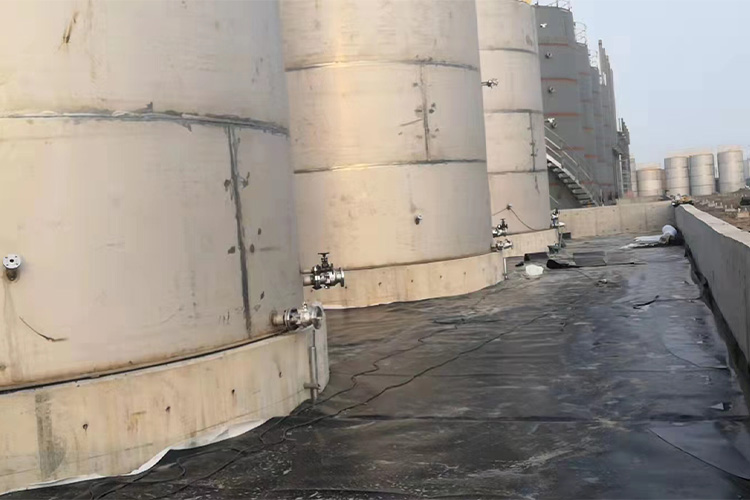
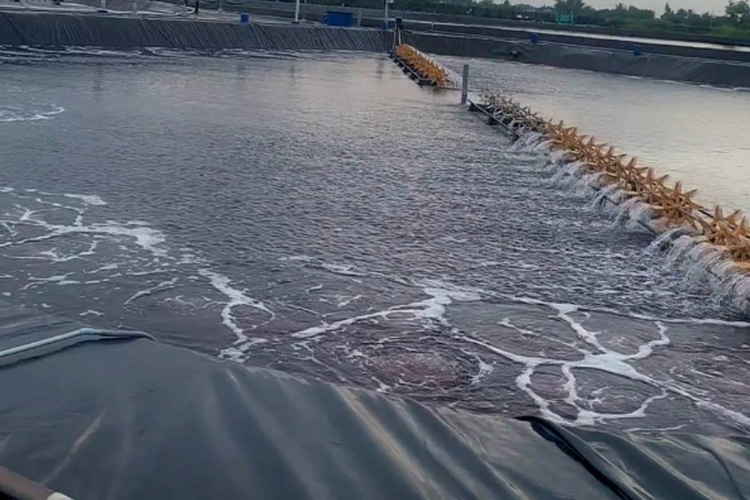
For water projects, engineers often search for hdpe lining for ponds. A standard "geomembrane" might fail under direct sunlight if it isn't formulated with the correct additives.A quality hdpe liner for ponds, on the other hand, is made with 2-3% carbon black and specialized antioxidants. This performs to protect the hdpe geomembrana for up to 20 and also 30 calendar years under sunlight. Whether you are constructing a small farm pond or a large city dam, the application of special hdpe lining for ponds guarantees containment of water in the facility without fear of brittle breakdown and weathering ravines.
4.Mechanical Strength and Installation Requirements
What sets hdpe geomembrana apart from thinner, less durable "liners" is its mechanical properties. It has good puncture and tensile strength because HDPE is a semi-crystalline polymer.
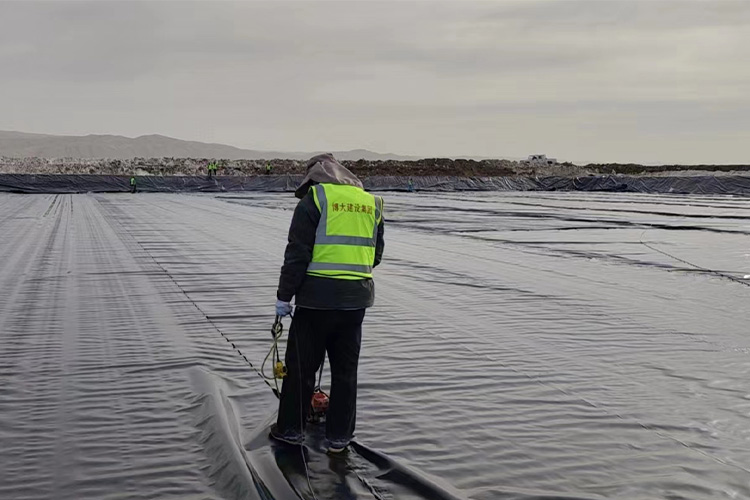
Yet this strength comes at the expense of some degree of stiffness.Unlike flexible "membrane" options (like EPDM), a hdpe geomembrana requires professional thermal welding (seaming) on-site.Membrane hdpe installation consists of fusing sheets together to create a monolithic barrier by using dual-track wedge welders. This approach is far more secure than tape or adhesives that are used with other liner types. With the hdpe geomembrana, you are making a choice for the safest mechanical security and a proven, leak-proof installation.
Conclusion: Why the Distinction Matters
To summarize, a geomembrane represents the genera solution for containment, and the hdpe geomembrana is an advanced version of that solution, specifically defined by its material chemistry.
Be it a mellan hdpe for any kind of mining project, or if you are searching for an Hdpe lining for ponds approach to agriculture: the successful key lies in knowing that the product's lifetime is determined by the material (HDPE). Therefore, if a hdpe geomembrana certified to GRI-GM13 is specified in a project currently and then still applicable next year it guarantees that like with 2026 the best containment technology (durable and chemically resistant) will be used.