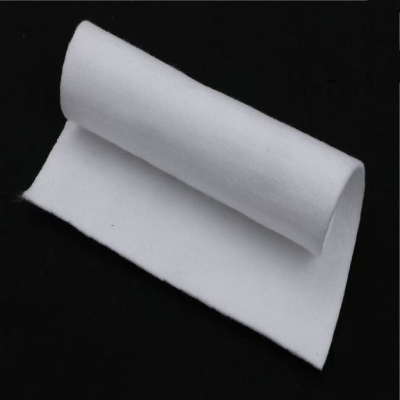
How to Perform Proper Quality Management on Geomembranes: A Guide to Leak-Free Success
In the world of environmental engineering, the difference between a successful project and an environmental disaster often comes down to quality management. Whether you are lining a hazardous waste cell, a mining leach pad, or a decorative pond, the hdpe liner is your most critical asset.
However, simply purchasing a roll of plastic is not enough. Proper Quality Management (QM) involves a comprehensive system of oversight that begins at the manufacturing plant and continues through the final leak detection survey. This article outlines the four essential pillars of quality management to ensure your hdpe liner performs as designed for decade.
1. Sourcing and Material Verification: Choosing the Right Partners
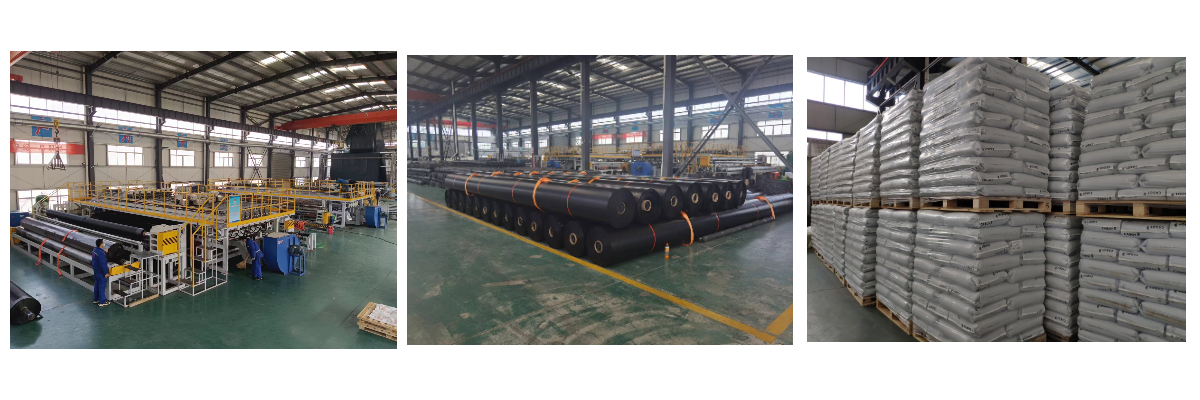
Quality management commences long before the first roll hits the job site. It begins with establishing able hdpe liner suppliers who can provide forward, certified content. Resins are not the same however; resin quality, antioxidant package and manufacturing all contribute to material life.
During shortlisting hdpe liner suppliers, you would want to demand:
Certification of Resin: The resin should be made with 100% virgin resin without any mix and follow GRI-GM13.
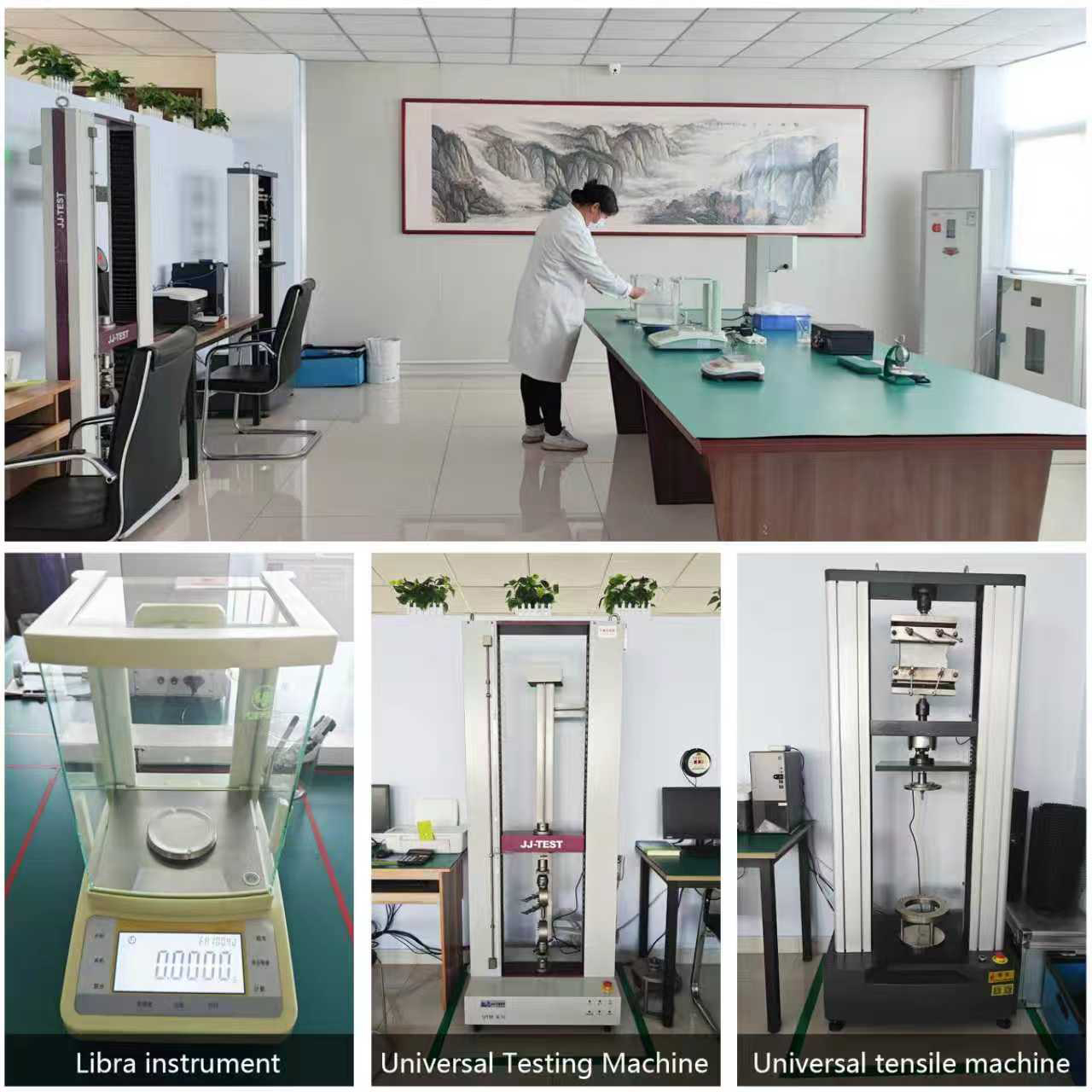
In-Plant Testing: The manufacturer must conduct routine testing on every batch including thickness, density and carbon black content.
Roll Traceability: hdpe liner Each roll must come with an identification number linking that roll back to manufacturing data and test results.
Collaborating with premium hdpe liner suppliers eliminates the chances of you receiving materials that may have "thin spots", surface imperfections, or lousy oxidative stability which could lead to early types of failures.
2.The process of choosing specifications: When a 30 Mil HDPE liner needs precision
Selecting the right thickness is an essential component of quality management. A 30 mil hdpe liner (0.75mm) is the preferred choice for most regular applications like farm ponds and temporary containment since it offers a good combination of flexibility and economical factors.
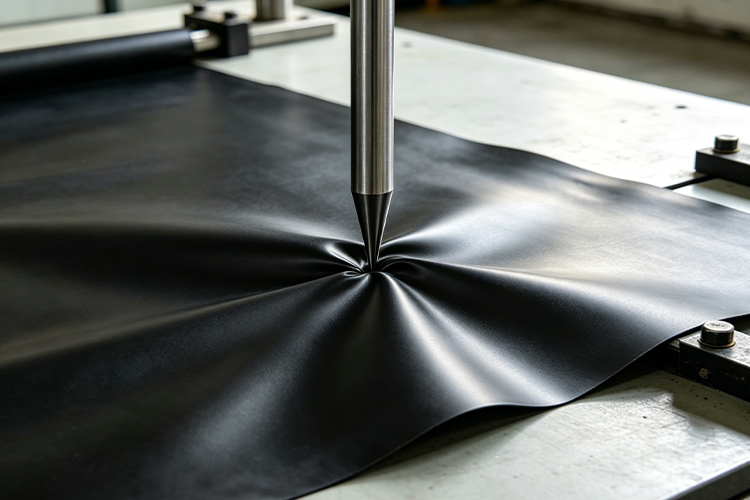
However, performing QM on a 30 mil hdpe liner requires extra care.Since it is thinner than the land fill specifications for 60 or 80 mil liners, it is more vulnerable to "bridging," (the liner hangs over a void in the soil background ) and physical punctures.
Thickness Verification: Verify that the 30 mil hdpe liner is, in fact, the specified thickness throughout the entirety of each roll via ultrasonic or mechanical gauges (ASTM D5199).
Suitability: Or, quality management is making sure the material fits for purpose. In the case of a rocky subgrade, the bottom protective geotextile for the 30 mil hdpe liner may need to be thicker in order to avoid causing "stress cracking" over time.
The initial step in the process of quality assurance is to ensure that your hdpe liner fulfills design requirements.
3.Mastering Installation and Seaming
That brings us to the task of installation, once the material is on-site. Leaks mostly happen at the seams—the combined area of rolls after they are welded together.Proper quality management of the hdpe liner installation involves two types of testing:
Destructive Testing
Small samples of the welded seam are cut out and sent to a lab to be pulled apart. A high-quality hdpe liner seam must be stronger than the material itself (a "film tear bond").If this seam comes apart, the whole section can only be welded again.
Non-Destructive Testing
Every centimeter of every seam must be tested. For an hdpe liner, this is usually done via:
Air Pressure Testing: Air is pumped between the running surfaces of dual-track wedge welds. If it stays pressurized for 5 minutes, the seam is airtight.
Vacuum box testing: For repairs or extrusion welds, a soapy solution is applied to the hdpe liner and a vacuum box used to check for bubbles (would indicate a leak).
4.Delegate Evaluation of Construction Quality (CQA) and Documentation
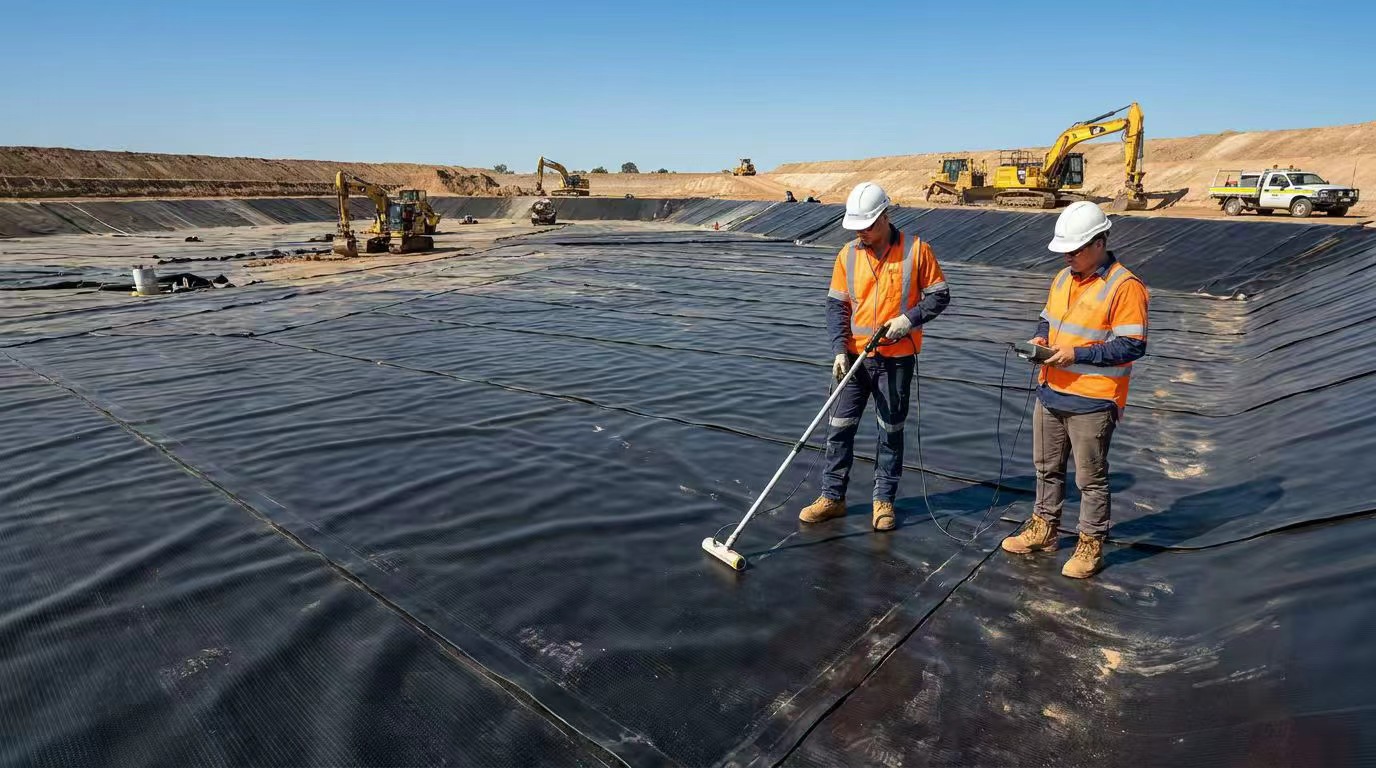
The last pillar for quality management, Construction Quality Assurance (CQA), is usually carried out via a third-party engineering firm. The CQA officer provides independent verification that the hdpe liner has been installed as per the project-specific "Quality Assurance Plan."
Key CQA activities include:
Subgrade Inspection: Inspect that the ground is smooth and contains no debris such as sharp rocks prior to deploying the hdpe liner.
Panel Layout Mapping :Keeping track of where every roll is placed, and where every effort was made
Last Resort Leak Detection: Using ELL (Electrical Leak Location) surveys to detect microscopic holes that may have been created in the pipe during backfilling.
The complete CQA report gives the facility owner the "as built" documentation needed to demonstrate environmental compliance and obtain insurance for the life of the hdpe liner.
Conclusion: Quality is an Investment, Not a Cost
If you perform proper quality management on geomembranes then your containment system will be an asset and not a liability in the long run. You can virtually ensure leak free operation via reliable hdpe liner suppliers with the right thickness such as 30 mil hdpe liner, with exacting seaming and CQA practices.
Keep in mind that the overall performance of your hdpe liner is only as strong as the weakest link in the chain. Complete quality control guarantees that each link—in the path from resin to the last weld—is robust enough to safeguard your project and environment.