Reducing leakage rates in geomembrane liners for improved performance
In the case of environmental engineering, contained containment projects are assessed unquestionably by one measurable: the leakage rate. Be it in the form of a tank at a municipal landfill, at a hazardous waste site or an agricultural pond, all that is desired is essentially no leakage or almost none. This involves more than just selecting a good liner to purchase; it requires an overall design, installation and quality management approach.
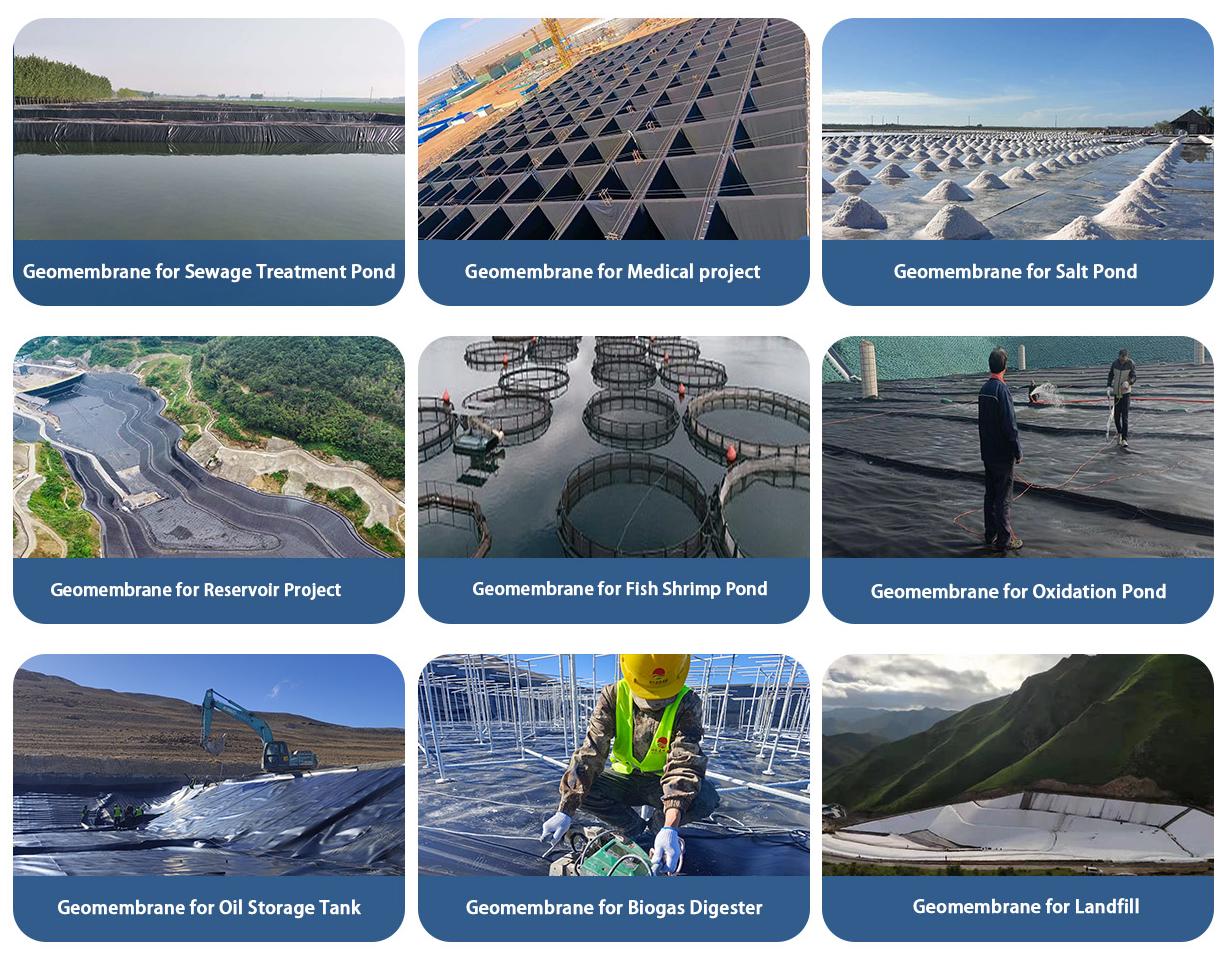
HDPE Impermeable Liner Essentials of High-Performance systems impermeable liner resistant to chemical effects and long service life has been the industry standard in the prevention of transport of toxic fluids into groundwater. This is a guide into the four essential methods of reducing spill / leakage and effectively prolonging the longevity your containment system.
1.Attention to Detail for a Strong Subgrade
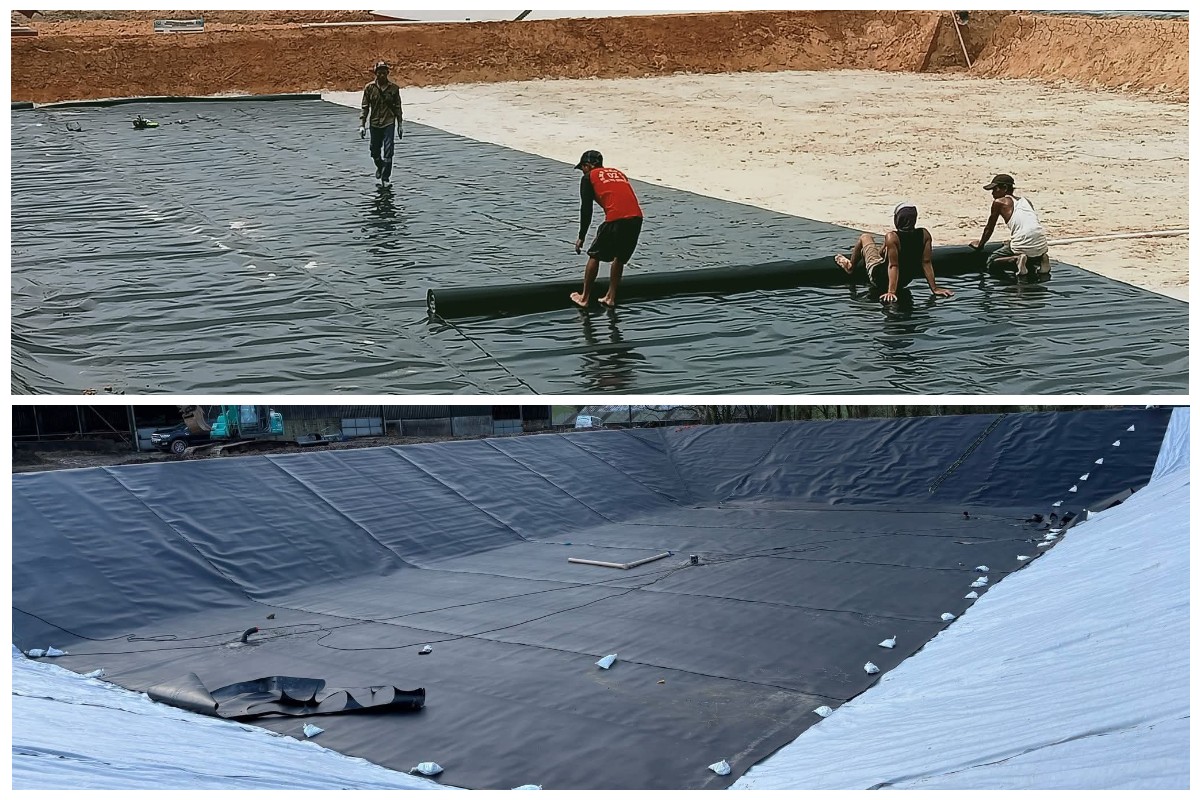
Liner defects are not the most typical reasons why leachate gets out of a landfill site during its operational phase: it is actually punctures by material within the subgrade. A geomembrane is only as good as the surface beneath it. However the weight of the water inside eventually is going to push any sharp rocks or roots or debris through the plastic if you are putting them in soil.
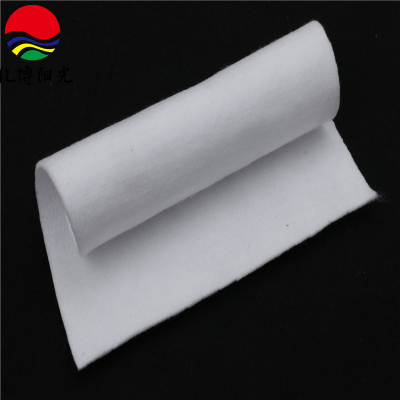
The final proof roll for the subgrade will be extremely important: when preparing your site, an hdpe impermeable liner subgrade must be compacted to a "drum-tight" finish. Any baton points greater than 10mm shall be removed. You need to differentiate between a barrier and a filter: yes, you could use a permeable geomembrane (or geotextile) for drainage/filtration purposes, while the impermeable liner hdpe is only for containment purpose. If the subgrade is not properly prepared, the thickest liner can act as a semi-permeable geomembrane where fluids leak through microscopic tears and punctures.
2.Dealing With Weakest Link: Advanced Seaming Techniques
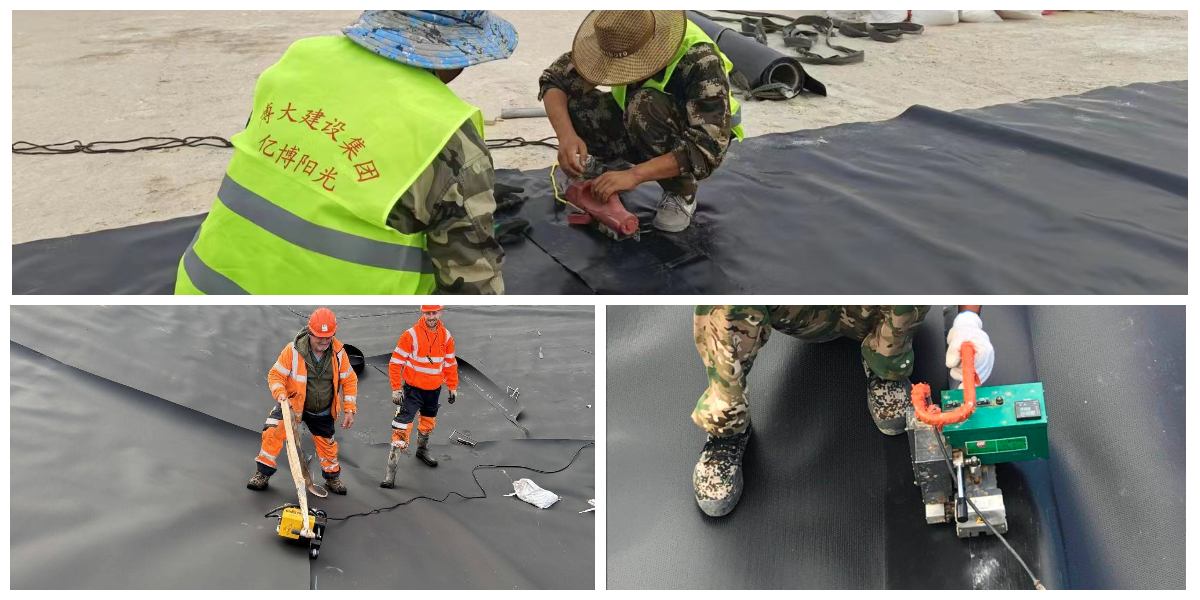
The performance of any geomembrane liner is only as good as its seams. As the liners are rolls, they need to be welded on-site.Traditional glue or adhesive methods are insufficient for modern industrial standards; instead, thermal fusion is used to create a monolithic barrier.
There are two main welding methods for hdpe impermeable liner:
Dual-Track Wedge Welding — This enables two in-line seams to have an air channel between them for non-destructive pressure testing.
Extrusion Welding — Used for complex shapes (for example pipe penetrations) and repairs, an extruder fuses a bead of molten resin to the edge of the hdpe impermeable liner.
When you make certain that every single linear meter of seaming is undertaken by certified workers with calibrated devices, you can eradicate the blames for "chilly welds", or "burn-throughs," which are simply put, among the leading reasons safe-keeping jobs suffer higher leakage prices.
3.Procurement & Quality Control: Source the Material
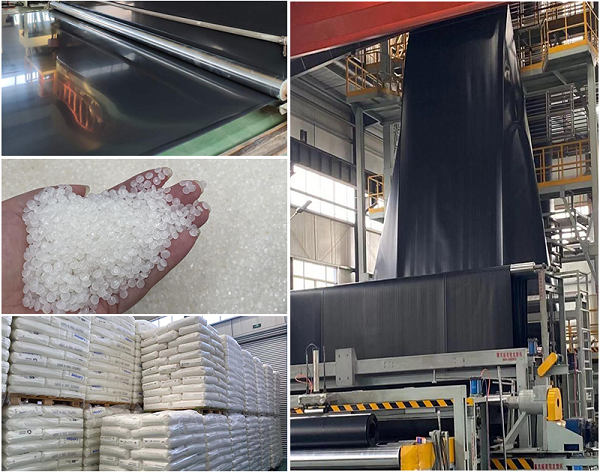
Budget constraints are an unavoidable part of large – scale infrastructure, but going for lower cost per sq. M ( метrp) instead of quality is a dangerous strategy. It is essential when sourcing a wholesale geomembrane to ensure that the resin meets or exceeds GRI-GM13 standards.
Purchase a wholesale geomembrane from a reputable manufacturer, just keep in mind a good manufacturing process guarantees consistent thickness, carbon black distribution and antioxidant levels. At the time of procurement, always, demand for 'roll certificates' which contain details of test results obtained from every roll coming to the site. The transparency of this assures that the hdpe impermeable liner you add can preserve against your appliance's chemical and mechanical stresses.Remember, the "total cost of ownership" includes the potential cost of remediation if a low-quality wholesale geomembrane fails within its first five years of service.
4.After the Leak Location: The Final Check
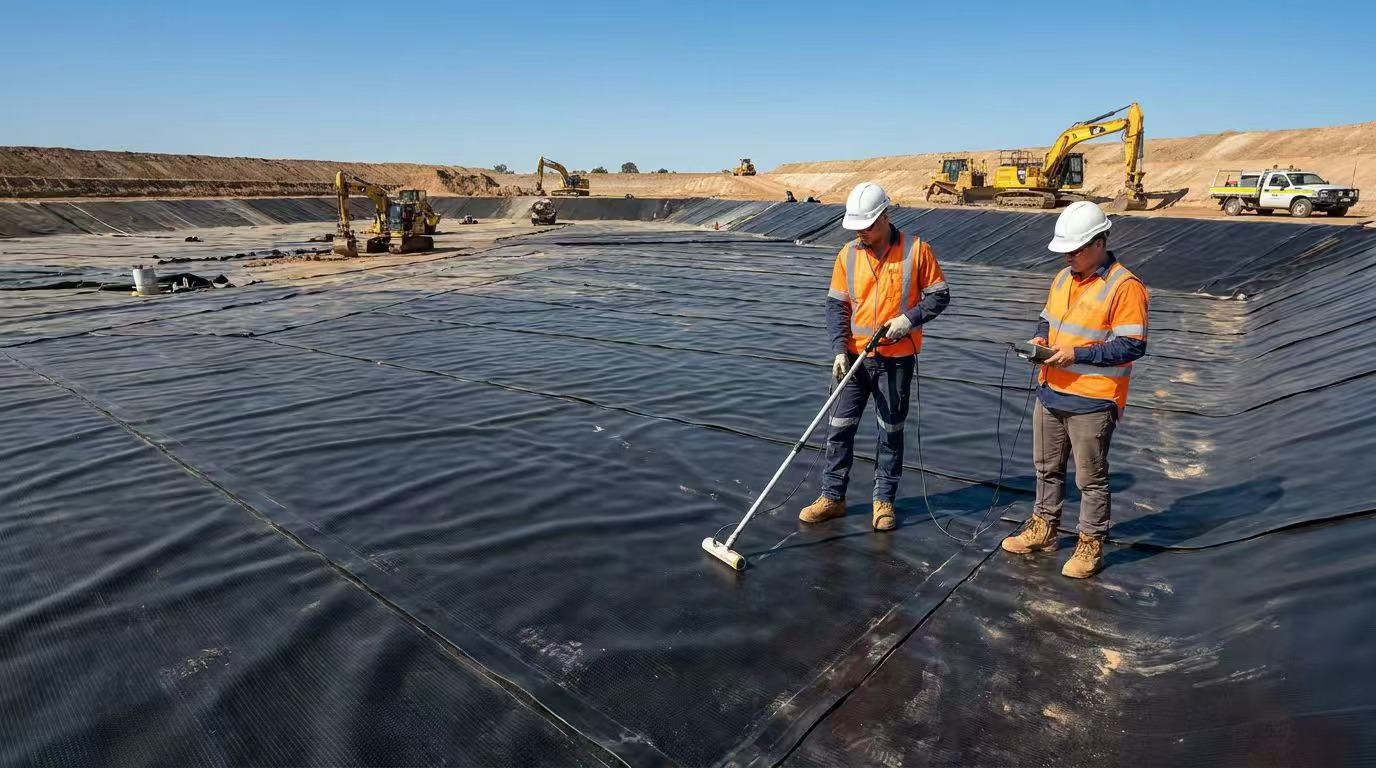
Even if everything was perfect including materials and craftsmen, accidents happen. A tool may fall, or piece of heavy equipment could pivot too fast on the liner. In the past, once the liner was buried behind soil or water, these holes would seem to disappear.
Today, Electrical Leak Location (ELL) technology has revolutionized the industry. By applying a voltage across the hdpe impermeable liner, technicians can detect the "spark" or current flow that occurs where a leak exists. This method can find holes as small as a pinhead, even through a meter of soil cover.
If you include ELL as your last step, your hdpe impermeable liner is 100% whole before the facility opens. This proactive process in performance tuning greatly decreases future liability and guarantees that the gadget does no longer fail early with no obvious installation damage done.
The End: No more seepage
Leakage control is a multi-disciplinary effort involving materials science, mechanical engineering and disciplined site management. With the careful selection of a high-quality hdpe impermeable lining, appropriate preparation of the subgrade and even more efficient leak detection, one can construct a system for containment that safeguards the environment for generations.
The same applies whether you are designing a small decorative pond or an enormous mining leach pad. The most obvious example discusses avoiding materials that act like a permeable geomembrane when you need a total barrier, and always partnering with suppliers who offer certified wholesale geomembrane solutions. Measured zero-leakage performance is not a dream but an achievable goal with the right strategy.